Dialysis work combines machine preparation, infection control, vascular-access precautions, patient monitoring and rapid escalation when something goes wrong. You can judge whether it suits you by examining the real workload, the qualification’s recognition, the clinical hours and the evidence that employers in Pune hire its graduates.
Key takeaways
- Confirm the course includes supervised clinical practice and machine-based training.
- Choose training covering vascular access, infection control, water quality and emergency response.
- Compare employers by shift patterns, patient volume, supervision and equipment standards.
- Verify affiliation, clinical tie-ups, placement claims and the certificate’s recognition before enrolling.
What does a dialysis technician do during a complete treatment?
A complete haemodialysis treatment is a controlled sequence, not simply operating a machine. A dialysis technician career in Pune involves patient safety, equipment checks, observation and accurate records under authorised clinical supervision.
1. Before connection, prepare and disinfect the station. Check the dialysis machine, power supply, water-treatment status and required disinfection records. Confirm dialysate conductivity and temperature against the prescribed treatment settings. Inspect the bloodlines, dialyser, saline line, transducer protectors, clamps and connections, then test the pressure, air-detector, blood-leak and other alarm functions.
2. Record the patient’s pre-treatment weight, blood pressure, pulse, temperature and access-site condition. Confirm the prescribed blood-flow rate and ultrafiltration target with the nurse or nephrologist. Connect the arteriovenous fistula, graft or catheter only within facility policy and your authorised scope, using aseptic precautions.
3. During treatment, record intra-treatment vital signs and machine readings. Watch blood-flow rate, venous and arterial pressures, ultrafiltration, dialysate values and the access site.
Respond to alarms according to protocol, stop or secure the circuit when required, and immediately escalate hypotension, clotting, blood loss, air detection, chest symptoms or other complications to the nurse or nephrologist.
4. At completion, return blood safely when authorised, clamp and disconnect the circuit, check post-treatment blood pressure, pulse, weight and access-site bleeding, and document the treatment. Dispose of blood-contaminated waste and sharps correctly, disinfect the station and machine, and complete equipment and maintenance records.
A technician does not diagnose kidney disease, prescribe treatment, alter the medical plan or manage major complications independently.
Which clinical and technical skills make dialysis work safe?
Haemodialysis removes waste and excess fluid through an extracorporeal blood circuit connected to the patient. Peritoneal dialysis uses the peritoneal membrane inside the abdomen and a dialysis fluid exchange. Entry-level technician roles in hospitals and standalone centres mainly support haemodialysis.
| Access type | What it is | Safe practice |
|---|---|---|
| Arteriovenous fistula | An artery joined to a vein | Observe the site, protect the thrill and bruit, use aseptic precautions, and escalate bleeding or loss of flow |
| Synthetic graft | An artificial tube joining an artery and vein | Check for swelling, redness, pain, bleeding or absent flow |
| Central venous catheter | A catheter in a large vein | Maintain strict asepsis, inspect the dressing and escalate fever, drainage, displacement or poor flow |
Needle insertion, catheter handling and medication-related decisions follow facility policy and professional supervision. Students must know which findings require immediate escalation rather than improvisation.
The technical syllabus must connect theory to real hazards: reverse-osmosis water systems, dialysate sodium and bicarbonate principles, conductivity, temperature, blood-flow rate, ultrafiltration, alarm response, machine disinfection and preventive maintenance. The strongest dialysis course career benefits come from practising these controls alongside infection prevention, documentation and patient communication.
Protocol-based action is essential for hypotension, disequilibrium syndrome, infection, needle infiltration, catheter complications, clotting, air embolism and blood loss. A course that teaches only machine operation leaves you unprepared for the patient.
Does the daily workload fit the kind of healthcare career you want?
A dialysis technician career in Pune suits you if you can accept early or rotating shifts, weekend and public-holiday duty, prolonged standing, and moving supplies or equipment. Each session repeats setup, monitoring, disconnection and cleaning. You will work around blood and sharps while supporting patients who may feel weak, frightened or frustrated.
| Setting | What the work involves | Best fit |
|---|---|---|
| Hospital dialysis unit | Scheduled haemodialysis, emergency support, detailed records and coordination with nurses and doctors | You want structured clinical routines and varied patient conditions |
| Standalone dialysis centre | Repeated treatment cycles, station preparation, cleaning and continuity with returning patients | You prefer predictable protocols and regular patient contact |
| Renal ward | Dialysis support alongside inpatients, changing conditions and urgent clinical requests | You can manage interruptions and escalation |
The work rewards careful adherence to protocols and accurate documentation, not improvisation. It also brings emergency responses and emotionally difficult conversations with people receiving long-term treatment; repeated exposure to illness can be tiring.
Other paths include dialysis-equipment or consumables support and patient-coordination roles. A technician qualification does not automatically qualify you as a dialysis nurse, renal dietitian, biomedical engineer or nephrologist. Those roles require separate education, registration or professional training.
Choose this path if hands-on patient care, safety checks and disciplined repetition appeal to you—not if you want a purely technical machine job.
How should you compare dialysis qualifications and Pune employers?
A short certificate, a one- or two-year diploma and a degree-level allied-health programme are not equivalent. Compare the evidence behind each title, not the advertised duration.
| Qualification | Check before enrolling | Warning sign |
|---|---|---|
| Short certificate | Eligibility, awarding body, assessment, marksheet, total supervised clinical hours | Classroom instruction with observation only |
| One- or two-year diploma | Recognition or occupational-standard mapping, practical assessments, named clinical site and supervisor | “Government approved” without verifiable documents |
| Degree-level programme | University or recognised awarding body, semester marksheets, clinical-hour total and broader allied-health syllabus | No written hospital affiliation or patient-care log |
For dialysis technician education in Pune, ask whether students perform supervised setup, vital-sign recording, access-site observation, documentation and disinfection. Record the exact clinical hours and confirm that the affiliated unit is currently operating.
Compare the daily work before choosing a specialty:
| Training area | Daily duties and exposure | Later-role breadth |
|---|---|---|
| Dialysis | Repeated haemodialysis support, close patient contact, blood and sharps, early or rotating shifts | Dialysis units, renal wards, equipment or patient coordination |
| Medical laboratory technology | Specimen handling, analysers and less continuous patient contact | Pathology, microbiology and collection services |
| Radiology | Imaging equipment, positioning and radiation-safety procedures | X-ray, CT or MRI support |
| ECG | Short patient encounters and cardiac tracing | ECG, cardiac testing and monitoring support |
| Operation-theatre technician | Sterile setup, instruments, emergencies and long shifts | Theatre, anaesthesia and surgical support |
Screen a Pune employer or course for supervised hours, basic life support, infection prevention, documentation, communication, biomedical-waste handling and the machines used locally. Review recent Pune vacancies, note repeated qualification requirements, request the last two graduating-batch placement lists and contact listed employers independently.
That is the practical test for is dialysis training worth it in Pune.
What should you verify before enrolling in a dialysis training institute in Pune?
The decision rests on four documents, not a brochure or salary promise. If an institute cannot provide them in writing, ask why before paying an admission fee.
1. Verify the qualification. Ask for the exact title, awarding body, occupational-standard mapping, recognition documents, eligibility rules, assessment method, and sample certificate and marksheet. “Government approved” alone does not prove recognition. Compare a certificate, diploma and degree by clinical hours and employer acceptance, not course duration.
2. Verify clinical practice. Request the total clinical-hour breakdown, current hospital-affiliation letters, dialysis-unit names, and supervisor names or roles. Ask whether you will set up machines, review water-quality records, disinfect stations, observe fistulas, grafts and catheters, and complete treatment documentation under supervision.
Confirm infection-control, basic-life-support and blood-exposure training, including the process for reporting a needle-stick or treatment complication.
3. Verify the total fee. Demand one written figure covering tuition, examinations, registration, uniforms, equipment, clinical placement, certificates, transport and any repeat assessment. An attractive opening fee can hide the real cost.
4. Verify placements independently. Request the last two graduating-batch placement lists, employer names, joining dates and job titles, then contact listed employers yourself. Ask whether claims describe paid jobs, internships or only interview referrals.
Use this evidence test for K. P. Paramedical Institute rather than inferring eligibility from its course name. Is dialysis training worth it in Pune? It is when these records are clear and you accept shift-based, safety-critical work; easy admission and salary promises do not establish dialysis course career benefits.
Related product
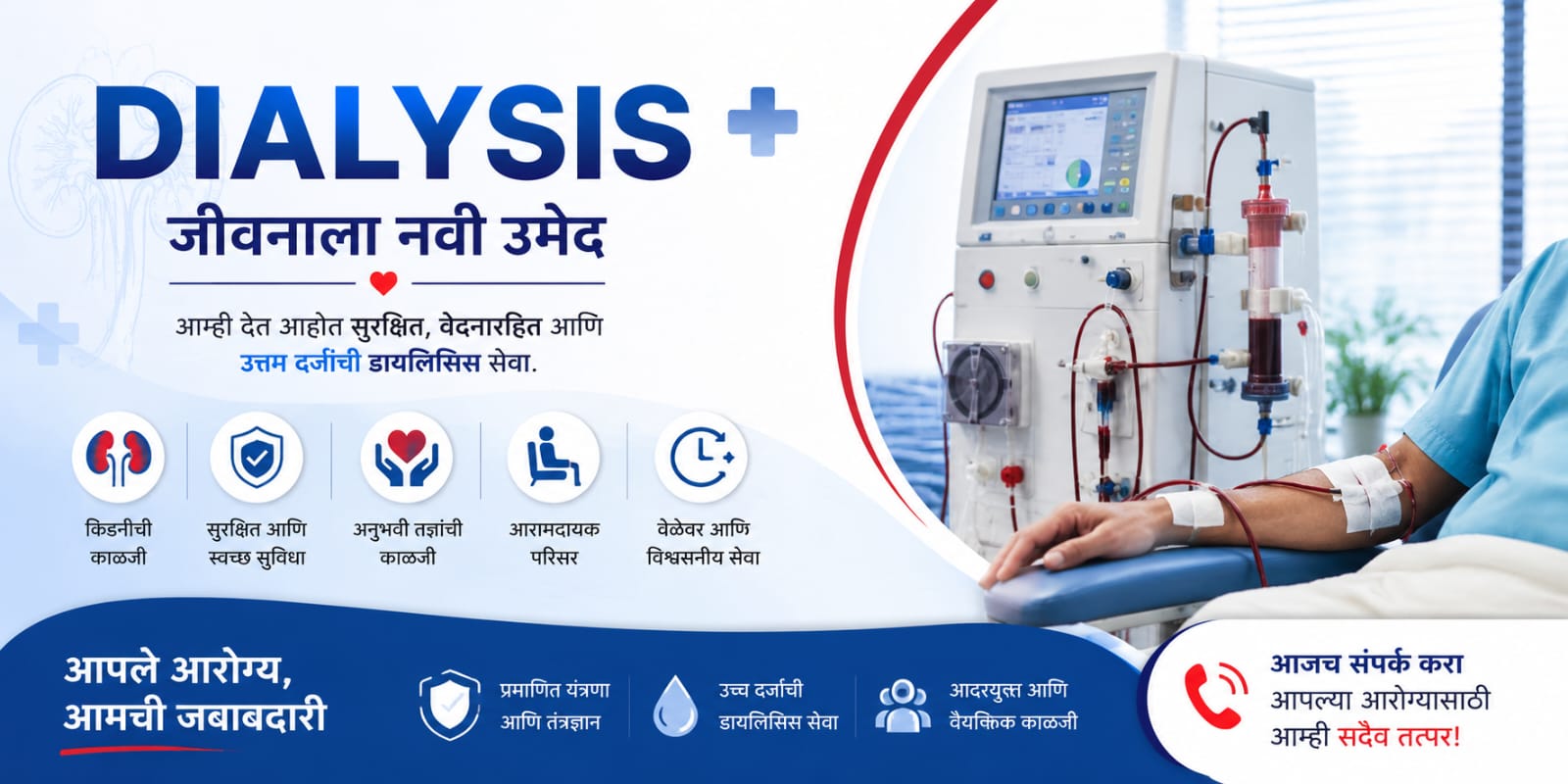 | Best Dialysis The Dialysis Technician Course at K P Paramedical Institute is a career-oriented paramedical program designed to train students in the operation and... View product → |
Frequently asked questions
What does a dialysis technician do during a complete treatment?
A dialysis technician prepares the station, checks the machine and consumables, supports patient preparation, monitors treatment under authorised clinical supervision, responds to alarms and records treatment details.
Which clinical and technical skills make dialysis work safe?
Safe practice requires infection control, vital-sign monitoring, vascular-access awareness, dialysis-machine operation, water-quality checks, alarm response, documentation and emergency support within your scope of practice.
Does the daily workload fit the kind of healthcare career you want?
Dialysis work suits people who can manage repeated procedures, close patient observation, shift duties, standing work, emotional pressure and strict documentation during each treatment.
How should you compare dialysis qualifications and Pune employers?
Compare course duration, practical hours, hospital exposure, curriculum, assessment, qualification recognition, supervision and each employer’s shifts, patient load, equipment and growth opportunities.
What should you verify before enrolling in a dialysis training institute in Pune?
Ask to inspect the syllabus, practical schedule, clinical tie-up, faculty credentials, assessment method, certificate issuer, placement evidence, fees and refund terms before paying.