A dialysis technician keeps a treatment session safe by following a precise sequence: verify the order, prepare the machine and patient, watch for changes, and report problems without exceeding clinical authority. By the end, you will know what this work involves, which skills Pune clinics expect, and how to judge a training course before applying.
Key takeaways
- Confirm identity, treatment order, weight, vital signs and vascular access before starting.
- Escalate bleeding, chest pain, breathlessness, hypotension or machine alarms immediately.
- Compare course approval, supervised clinical hours, access training and placement support.
- Expect shift work, infection-control duties and clear limits on independent clinical decisions.
What a Dialysis Technician Does During a Haemodialysis Session
A technician begins by confirming the patient’s identity and treatment order with the nurse. They record pre-dialysis weight and vital signs, ask about new symptoms, inspect the vascular access, explain the session, and protect the patient’s privacy.
Before connection, the technician checks the dialyzer, bloodlines, saline, labels, machine self-test, conductivity reading, alarms, and prescribed settings. After hand hygiene and personal protective equipment, they prepare an arteriovenous fistula or graft, or handle a central venous catheter, under local protocol.
Do not place a blood-pressure cuff or take routine blood from a fistula arm unless a clinician directs it.
During treatment, the technician monitors:
- Blood-flow and pressure readings
- Access-site bleeding, swelling, or infiltration
- Vital-sign changes and patient-reported discomfort
- Ultrafiltration progress and machine alarms
An alarm is not something to silence and ignore. The technician troubleshoots within protocol and promptly alerts the nurse or nephrologist about abnormal pressure, access problems, fever, chest pain, confusion, or sudden deterioration. Diagnosis, medication decisions, and prescription changes remain clinician responsibilities.
At completion, the technician returns blood according to protocol, disconnects safely, applies pressure or a catheter dressing, checks bleeding, and records post-dialysis weight and observations. Accurate documentation covers treatment settings, times, circuit events, interventions, and escalation.
These dialysis technician duties require calm communication, while many dialysis technology careers involve shifts, repeated patient contact, and prolonged standing.
How Technicians Prepare the Machine, Patient and Treatment Record
A patient should not be connected until identity, prescription, access and machine readiness agree. The technician verifies two identifiers, the prescribed duration, blood-flow rate, dialysate settings and ultrafiltration target, then reports any mismatch to the nurse or nephrologist rather than changing the order.
1. Check the patient’s pre-treatment weight, blood pressure, pulse, temperature, symptoms and general condition. Inspect a fistula or graft for the expected thrill and bruit, swelling, bleeding or infiltration; handle a central venous catheter and dressing with aseptic technique.
2. Inspect the dialyser, bloodlines, saline, needles or catheter connections, expiry dates, package seals and correct lot details. Run the machine self-test, confirm alarm functions, check conductivity and temperature, and verify that the reverse-osmosis and pretreatment water systems are within unit limits.
3. Record the machine number, dialyser and bloodline details, prescribed settings, start time, access type, pre-treatment observations and any reported symptoms. During dialysis, record blood pressure and pulse at the unit’s required intervals, blood-flow and dialysate-flow rates, arterial and venous pressures, transmembrane pressure, ultrafiltration volume, conductivity, alarms and corrective actions.
4. At completion, document rinse-back, post-treatment weight and observations, access-site bleeding, treatment end time and who received the handover. Disinfect external surfaces, dispose of blood-contaminated tubing in the correct biomedical-waste container and report abnormal findings promptly.
These dialysis technician duties create a traceable record; they do not include diagnosing illness, prescribing fluid removal or deciding medication changes.
Access Care, Infection Prevention and Emergency Escalation
Access care starts with inspection and palpation before needle placement. A fistula or graft should have a palpable thrill and audible bruit; redness, warmth, swelling, pain, loss of thrill, prolonged bleeding, or infiltration requires immediate escalation. Never place a blood-pressure cuff or draw routine blood from that arm unless a clinician directs it.
Use strict aseptic technique for a central venous catheter: hand hygiene, mask and gloves, disinfect the hubs, keep the dressing clean and dry, and never touch sterile connection points. Fever, chills, pus, redness spreading from the exit site, tenderness along the tunnel, or a loose or wet dressing requires prompt review.
During treatment, follow the unit’s emergency protocol and call the nurse or nephrologist without independently changing ultrafiltration, altering the prescription, or diagnosing the cause. Escalate immediately for:
- Falling blood pressure with dizziness, faintness, sweating, nausea, or confusion
- Persistent muscle cramps, vomiting, severe headache, or new neurological symptoms
- Access-site bleeding, rapidly enlarging swelling, or suspected needle dislodgement
- Clotting in the bloodlines, air or blood-leak alarms, or a machine alarm that does not clear
- Fever, chills, chest pain, breathlessness, or sudden deterioration
Record the time, vital signs, access findings, alarm message, symptoms, action taken, and person notified. Strong paramedical dialysis training rehearses this communication, infection control, access observation, and accurate documentation—not just machine operation.
The Working Conditions and Limits of Dialysis Technology Careers
Expect rotating shifts in Pune clinics: haemodialysis units run several sessions daily and may open on weekends and public holidays. Entry-level dialysis technology careers involve prolonged standing, repeated hand hygiene, personal protective equipment, blood exposure, disinfectants and difficult conversations with patients who return several times each week.
During training, insist on supervised work in a functioning dialysis unit, not classroom observation alone. You should practise machine and consumable preparation, treatment-record checks, access-site observation, alarm response, documentation, infection-control procedures and emergency escalation under a named supervisor.
Your authority stops at safe execution of the prescribed plan. Do not change ultrafiltration, diagnose a complication or decide medication because a patient looks uncomfortable; report the finding immediately.
| Role | Main responsibility | Decision that remains outside the role |
|---|---|---|
| Dialysis technician | Prepare equipment, verify the written order, connect and disconnect under local protocol, monitor vital signs and the circuit, record data and report abnormalities | Diagnosis, prescription changes and independent treatment decisions |
| Registered nurse | Assess the patient, administer authorised medicines, manage nursing care and respond to clinical deterioration | Nephrologist-level diagnosis or prescription |
| Nephrologist | Diagnose kidney disease, prescribe dialysis settings and ultrafiltration, review complications and direct medical treatment | Routine machine operation and technician documentation |
A strong placement identifies who signs off each competency and how emergencies reach the nurse or nephrologist. If a clinic expects technicians to alter prescriptions, give unsupervised medicines or manage serious bleeding alone, treat that as a safety warning.
How to Compare a Dialysis Technician Course in Pune Before Applying
Do not pay an application fee until you know exactly what qualification you will receive. Pune offers certificate, diploma and undergraduate renal-dialysis-technology programmes under different awarding bodies, so compare the document—not the course title alone.
| Option | Verify before applying | Why it matters |
|---|---|---|
| Certificate | Minimum education, course duration, examination authority and final certificate title | Entry rules and employer acceptance vary |
| Diploma | Board or university affiliation, supervised internship and competency sign-off | Classroom attendance alone does not prove clinical readiness |
| Undergraduate | Recognised university, eligibility subjects, semester assessments and hospital training | A longer programme still needs documented practical exposure |
For dialysis for technician course applications in Pune, request the affiliation letter for the current academic year, the clinical-site name and address, and written placement terms. Ask how many dialysis stations students use, the student-to-supervisor ratio, and who assesses bloodline setup, access care, infection control, machine alarms, documentation, emergency escalation and water-quality procedures.
Check these fee details in writing:
- Total tuition, examination, uniform, equipment and internship charges
- Payment schedule, receipt format and refund rules after withdrawal
- Number of observed and supervised real dialysis sessions
- Assessment method: practical demonstration, logbook, viva and theory examination
- Employer acceptance of the exact qualification printed on the certificate
Paramedical dialysis training should teach escalation and accurate records, not just machine operation. K. P. Paramedical Institute is one provider to evaluate using these same documents and clinical-training questions, rather than relying on placement or hospital tie-up claims.
Related product
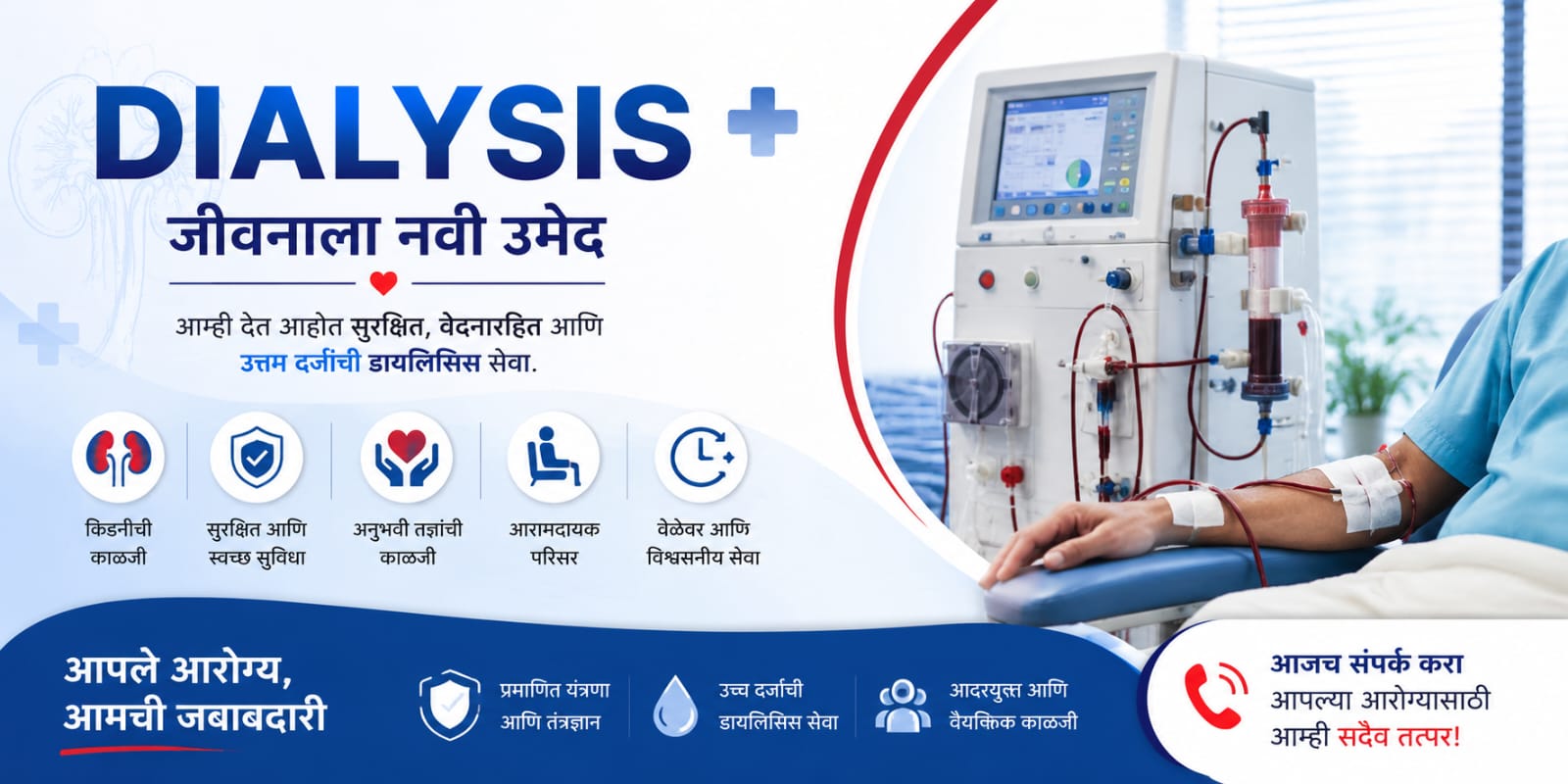 | Best Dialysis The Dialysis Technician Course at K P Paramedical Institute is a career-oriented paramedical program designed to train students in the operation and... View product → |
Frequently asked questions
What does a dialysis technician do during a haemodialysis session?
A dialysis technician confirms the patient and treatment order, records pre-dialysis observations, prepares equipment, monitors the session and reports changes to the nurse or doctor.
How do dialysis technicians support infection prevention?
They perform hand hygiene, use personal protective equipment, disinfect surfaces and equipment, handle sharps safely, and follow the clinic’s access-care and waste-disposal procedures.
When should a dialysis technician escalate a patient problem?
Escalate bleeding, chest pain, breathing difficulty, severe headache, altered consciousness, sudden hypotension, fever, access problems or persistent machine alarms without delay.
What should you compare before applying for a dialysis technician course in Pune?
Check the course’s recognition, laboratory and dialysis-unit practical training, supervised clinical hours, assessment method, eligibility, fees, timetable and placement information.