Training moves from anatomy, infection control and equipment theory to repeated practice in a skills lab and supervised work in a hospital operating theatre. By the end, you should be able to judge what students actually practise, which clinical duties remain outside their authority, and whether a course’s qualification and placement arrangements justify the time and cost.
Key takeaways
- Expect theory, simulation and supervised hospital theatre shifts.
- Practise instrument handling, sterile processing and infection-control procedures.
- Trainees support theatre teams but do not diagnose or independently make clinical decisions.
- Compare qualification recognition, hospital postings, facilities and supervision before enrolling.
From classroom lessons to the first supervised theatre shift
Training usually moves from theory to simulation and then to supervised hospital posting. In OT technician training in Pune, early lessons build the foundation for recognising patient risks without turning the trainee into a diagnosing clinician.
1. Classroom study covers anatomy and physiology, surgical terminology, microbiology, basic pathology, theatre-related pharmacology, first aid and cardiopulmonary resuscitation (CPR). These subjects explain what changes in breathing, circulation or consciousness require immediate escalation.
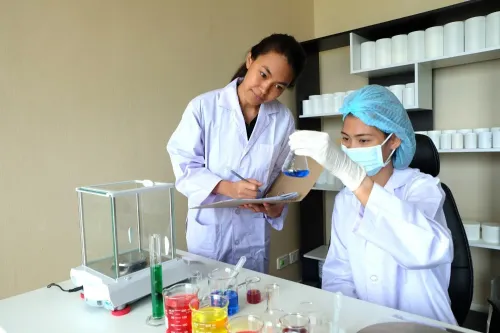
2. Demonstrations follow: instructors show instrument names, theatre preparation, aseptic technique, patient positioning, surgical safety checks and equipment handling. In the skills laboratory, students practise gowning, gloving, tray arrangement, counts, specimen labelling, documentation and emergency responses before entering a live theatre.
3. A supervised hospital posting introduces real operating-room routines. Ask whether students prepare rooms, handle real sterile packs and log supervised cases, or merely watch from outside. Elective and emergency exposure, clinical hours and attendance should be stated in writing.
4. Course labels and lengths differ. A short certificate may take months; vocational or diploma routes commonly run for one to three years, while undergraduate programmes take longer. The title may read OT Technician, Operation Theatre Technology, Diploma in Operation Theatre Technology or BSc in Operation Theatre Technology.
5. Before enrolling, verify Class 12 subject requirements, minimum age, admission documents, selection method, attendance percentage, assessment rules and awarding body. Do not assume every institute uses the same criteria; request its written admission and clinical-posting rules.
What an OT technician does before, during and after an operation
A safe theatre setup starts before the patient enters. Through demonstrations, simulation and supervised procedures, an operation theatre technician course in Pune teaches students to prepare equipment, communicate with the team and recognise when a task exceeds their authority.
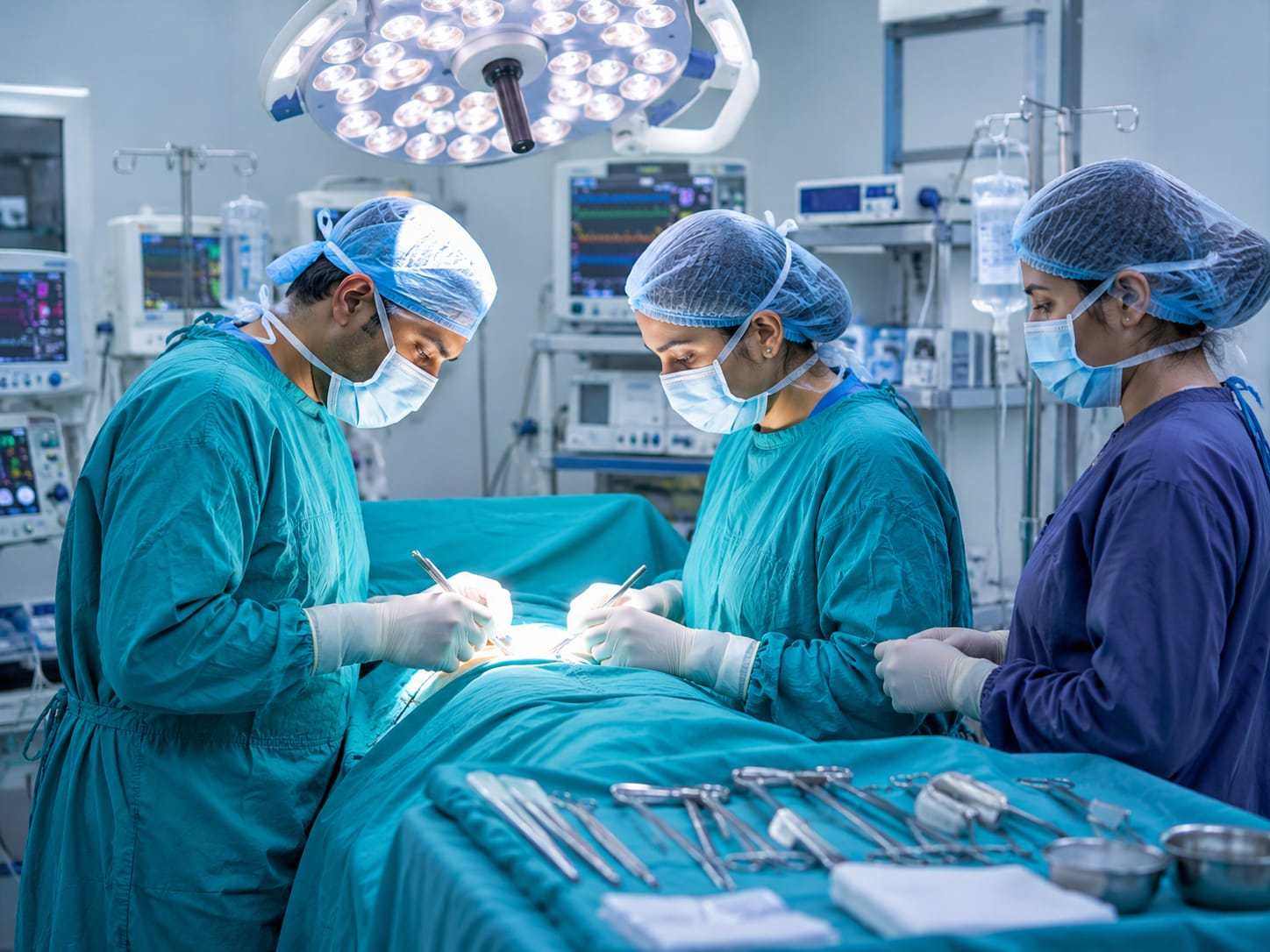
1. Before surgery, prepare the room, operating table and surgical lights. Check power connections, tubing, cables, alarms and supplies on the suction unit, electrosurgical unit, cautery accessories, oxygen system, anaesthesia machine and patient monitor. Report a fault; never repair or use an unsafe device.
2. Identify instruments and arrange the correct surgical set in procedure order. Practise the circulating role by confirming patient identity, procedure, site, allergies, antibiotic information and equipment concerns with the team. Help transfer and position the patient safely, protect pressure points and obtain additional supplies.
3. Under supervision, support the scrub role by maintaining the sterile field, passing instruments and anticipating the procedure sequence. Complete instrument, needle, swab and other surgical counts at the required stages. Escalate and document an unreconciled count immediately; do not rely on memory or delay the report.
4. Receive specimens without compromising identification, place them in the correct container and label them with the patient details, specimen description and required information before dispatch. Document checks, positioning, counts, specimens, equipment issues and significant events in the theatre record.
5. After surgery, assist with safe transfer, separate used instruments and sharps, dispose of waste correctly, replenish supplies and restore the theatre for the next case. Supervised practice turns each step into a repeatable safety routine.
Instrument, sterile-processing and infection-control practice
A student should identify instruments by name, function and condition, then assemble a surgical tray against a procedure-specific list. They should open sterile packs without crossing the field, perform hand hygiene, gown and glove correctly, protect sterile boundaries, handle specimens and complete labels, counts and records.
- Cleaning removes soil; disinfection reduces microorganisms on surfaces. High-level disinfection treats heat-sensitive devices, but chemical disinfection cannot replace sterilisation when a sterile instrument is required.
- The reprocessing sequence is cleaning, rinsing and drying, inspection for damage, packing, labelling with contents and date, loading the autoclave correctly, and unloading without wet-pack contamination.
- A trainee reads external and internal chemical indicators, records the cycle number, time, temperature and result, and stores dry, intact packs using event-related sterility rules. A wet, torn or incorrectly processed pack is quarantined and reprocessed, never used.
- If a sterile glove touches a non-sterile surface, the student stops, announces contamination and changes the glove or gown under supervision. Sharps go directly into a puncture-resistant sharps container; never recap or pass them carelessly.
- For a blood spill, the trainee restricts the area, wears PPE, absorbs and removes the spill, cleans, disinfects with the facility-approved product and reports exposure. Incorrectly segregated biomedical waste is not ignored: isolate it safely and notify the supervisor.
- An OT technician course in Pune should rehearse clean-versus-sterile decisions, surface cleaning, specimen identity checks, instrument and needle counts, and documentation of every variance.
Hospital postings, specialties and the limits of trainee authority
A hospital posting is where OT technician training in Pune meets real patients, sterile packs and operating-team discipline. The hospital decides which tasks you may perform, and a trainee’s access can differ by ward, case and supervisor.
| Experience | What happens | What you gain |
|---|---|---|
| Observation | Watch a case without touching the patient or sterile field | Understanding workflow and team communication |
| Simulation | Rehearse positioning, counts, instrument handling and emergencies on models or unused sets | Safe repetition without patient risk |
| Supervised elective case | Assist during a planned operation while a named supervisor directs each step | Controlled clinical practice |
| Direct supervised handling | Perform an approved task on or near a patient while supervision remains available | Evidence of competency, not independent authority |
Exposure may include general surgery, orthopaedics, obstetrics and gynaecology, ENT, ophthalmology, urology, laparoscopy and emergency procedures. Ask before enrolling:
- How many guaranteed clinical hours and internship shifts are provided?
- Are attendance and case logs issued, with supervisor names?
- Are night shifts and emergency cases included?
- Will students handle real sterile packs, not only watch through a doorway?
An OT technician supports the anaesthesia, surgical and recovery teams under supervision and hospital policy. The role does not include diagnosing, prescribing medicines, administering anaesthesia independently, performing surgery or making surgical decisions. Do not treat a certificate as permission to work beyond the hospital’s written scope.
How to compare an institute, qualification and career fit
An OT technician institute in Pune is credible only when you can inspect its practice, documents and clinical access. Visit before enrolling and ask:
- Is there a skills laboratory, and how many students share one instrument set?
- What are the faculty members’ clinical credentials?
- Provide the hospital affiliation, guaranteed internship hours, attendance rules, assessment method and awarding body in writing.
- How are infection-control, gowning, surgical counts and equipment checks assessed?
- What happens after a failed competency check?
- Will students handle real sterile packs during supervised cases, including night or emergency shifts?
- What is the exact certificate, diploma or degree title?
K. P. Paramedical Institute can be one institute you question with this checklist, but verify its qualification and placement claims against your target employer.
| Option | Daily focus | Best fit |
|---|---|---|
| OT technician | Theatre preparation, sterile support and surgical counts | You accept standing, blood and bodily-fluid exposure, emergency pressure and shifts |
| Laboratory technology | Specimen testing and reporting | You prefer diagnostic bench work |
| Radiology | Imaging equipment and radiation-safety procedures | You prefer patient positioning and imaging |
| ECG | Cardiac tracings and patient preparation | You want focused diagnostic work |
| Dialysis | Machine setup and prolonged patient monitoring | You accept recurring bedside care |
Budget for travel, protective clothing, vaccinations and unpaid placement time. Entry roles include hospital OT assistant, day-surgery technician and sterilisation-unit technician; experience, specialty exposure or further allied-health study can lead to senior support roles.
Related product
 | Best OT Technician The Operation Theatre (OT) Technician Course at K P Paramedical Institute is a career-focused paramedical program designed to train students in the... View product → |
Frequently asked questions
What happens during the first supervised operation theatre shift?
You observe theatre workflow, follow infection-control rules and perform assigned tasks under supervision after classroom and simulation training.
What does an OT technician do before, during and after an operation?
Before surgery, the technician checks the theatre, equipment and instruments. During surgery, they support the sterile team and maintain supplies. Afterward, they help with counts, cleaning, documentation and instrument processing.
What practical skills are taught in OT technician training?
Training includes instrument identification, sterile processing, infection control, theatre preparation, equipment checks and safe handling of surgical supplies.
Can an OT technician trainee diagnose patients or make independent clinical decisions?
No. Trainees work within assigned duties and supervision limits; diagnosis and independent clinical decisions belong to qualified clinical professionals.
How should you compare an OT technician institute in Pune?
Check the qualification, recognition, practical facilities, hospital postings, specialty exposure, supervision arrangements and the limits of trainee authority.