The healthcare industry depends on accurate diagnosis as much as effective treatment. Behind every blood test, urine analysis, and pathology report is a trained laboratory professional who plays an essential role in patient care. This growing demand has made the DMLT Course in Pune one of the most sought-after options for students who want to build a career in the medical field after Class 12.
Unlike many conventional courses that focus heavily on theory, a Diploma in Medical Laboratory Technology combines classroom learning with practical laboratory experience. It equips students with the technical skills required to work in hospitals, diagnostic laboratories, blood banks, and healthcare institutions where accuracy and attention to detail are critical.
What Is a DMLT Course?
The Diploma in Medical Laboratory Technology (DMLT) is a professional healthcare program designed to train students in laboratory science and diagnostic testing. Medical laboratory technicians perform investigations that help doctors diagnose diseases, monitor patient health, and recommend suitable treatments.
The course focuses on both scientific knowledge and practical application, ensuring students understand not only how laboratory tests are performed but also why they are important in patient care.
Subjects Covered During the Course
Although the curriculum may vary slightly between institutions, a comprehensive DMLT program generally includes subjects such as:
- Human Anatomy and Physiology
- Clinical Pathology
- Microbiology
- Hematology
- Clinical Biochemistry
- Histopathology
- Immunology
- Laboratory Management
- Infection Control
- Medical Ethics
Each subject contributes to building a strong foundation for working in modern diagnostic laboratories.
Why Practical Training Is Essential
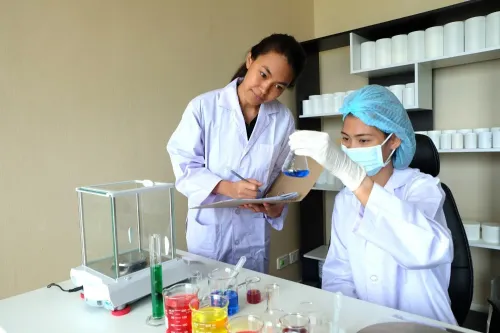
Medical laboratory technology cannot be mastered through textbooks alone. Students need regular practical sessions where they can understand laboratory procedures, specimen handling, equipment operation, and quality control practices.
Practical learning allows students to become familiar with:
Sample Collection and Processing
Students learn the correct methods for collecting, preserving, labeling, and processing different types of clinical samples while maintaining safety standards.
Laboratory Equipment Handling
Modern laboratories use sophisticated instruments for testing and analysis. Hands-on training helps students operate these instruments with confidence and accuracy.
Diagnostic Testing Procedures
From blood analysis to microbiological investigations, students gain experience performing routine laboratory tests under expert supervision.
Laboratory Safety Protocols
Maintaining hygiene, preventing contamination, and following safety guidelines are essential responsibilities for every laboratory professional.
Why Students Prefer Pursuing DMLT in Pune
Pune has developed into one of Maharashtra's leading healthcare and educational centres. The city's expanding medical infrastructure offers students valuable opportunities to learn in an environment closely connected to the healthcare industry.
Studying in Pune provides several advantages:
- Access to multi-specialty hospitals
- Growing number of diagnostic laboratories
- Exposure to advanced laboratory technologies
- Opportunities for internships and practical training
- Better interaction with experienced healthcare professionals
These factors help students gain industry exposure while completing their education.
Skills You Develop During a DMLT Program
A successful laboratory technician requires more than technical knowledge. Throughout the course, students gradually develop professional skills that employers highly value.
These include:
- Analytical thinking
- Observation skills
- Precision and accuracy
- Time management
- Communication abilities
- Team collaboration
- Record maintenance
- Professional ethics
Together, these competencies prepare students to work efficiently in fast-paced healthcare environments.
Career Opportunities After Completing DMLT
Graduates have access to a wide variety of employment opportunities across the healthcare sector.
Some common career options include:
- Medical Laboratory Technician
- Laboratory Assistant
- Pathology Laboratory Technician
- Blood Bank Technician
- Diagnostic Centre Technician
- Clinical Laboratory Executive
- Research Laboratory Assistant
- Hospital Laboratory Technologist
With additional qualifications and experience, students can also progress into supervisory or specialized laboratory roles.
Things to Consider Before Choosing a DMLT Institute
Selecting the right institute is just as important as selecting the right course. Before taking admission, students should evaluate several practical aspects.
Look for an institute that offers:
- Experienced teaching faculty
- Well-equipped laboratories
- Regular practical sessions
- Updated curriculum
- Clinical exposure
- Internship opportunities
- Career guidance and placement assistance
A strong learning environment helps students transition more smoothly from education to employment.
Building a Career That Supports Modern Healthcare
Healthcare continues to evolve with technological advancements and increased emphasis on early diagnosis. As a result, skilled laboratory professionals remain indispensable across hospitals, pathology laboratories, and diagnostic centres.
Kap Paramedical focuses on combining academic instruction with practical laboratory training so students develop confidence alongside technical expertise. This balanced learning approach enables graduates to understand real laboratory workflows and industry expectations before beginning their professional careers.
Choosing a DMLT Course in Pune is not simply about earning a diploma. It is about developing specialised skills that contribute directly to patient care and healthcare excellence. Students who invest in quality education, practical experience, and continuous learning can build a stable and fulfilling career in one of the most essential areas of modern medicine.