
The answer depends on more than the course fee or the word “radiology” in an advertisement. By comparing qualification level, clinical practice, safety training, commute, likely entry-level work and progression options, you can decide whether the investment fits your goals and verify a course before enrolling.
Key takeaways
- Calculate tuition, exams, travel, hostel and unpaid internship costs.
- Prioritise supervised clinical access over the lowest advertised fee.
- Verify the qualification, entry rules and employer acceptance before enrolling.
- Ask to see the institute’s licence, affiliation and placement evidence.
When does an X-ray course in Pune justify its cost?
Tuition is only part of the price. Add examination charges, uniforms, travel or hostel costs, study time and unpaid internship attendance. A low-fee course without dependable clinical access can be poor value; regular supervised practice costs more but gives you evidence of positioning, patient handling and department workflow for interviews.
Is an X-ray technician course worth it in Pune? It makes financial sense when the qualification is accepted for entry-level staff-radiographer or X-ray-technician posts and the schedule fits your life. Expect starting work in hospitals, diagnostic centres, trauma units, orthopaedic clinics, mobile imaging services or government recruitment when the advertisement names your qualification.
Before enrolling, check whether you can accept:
- Long periods standing, patient transfers, infection exposure, crowded departments and distressed or injured patients.
- Night duty, weekends and emergency shifts, not remote work.
- A gradual start rather than instant seniority: certificates do not guarantee jobs, salary or government appointment.
This is a poor fit if you want home-based work, avoid hospitals or shifts, feel unable to work around infectious patients, lack the required science subjects, or expect to diagnose scans. Technicians acquire images under protocols; radiologists or authorised clinicians interpret them. Lead protection reduces exposure but never permits careless positioning or unnecessary repeats.
A radiology course also does not automatically qualify you for CT or MRI. Your x ray technician career in Pune improves when clinical practice, recognised training and a realistic first-job target outweigh the total cost.
Which qualification and entry requirements will employers recognise?
Employers do not treat an X-ray technician certificate, diploma and degree as interchangeable.
| Option | Employer meaning | Progression |
|---|---|---|
| Short X-ray technician certificate | Narrower entry-level preparation; acceptance depends on the issuer and job advert | Limited |
| Diploma in radiography or medical imaging | Formal technical training for radiography roles | Broader than a short certificate |
| Diploma in Radiology & Imaging Technology | Structured allied-health training covering radiography and related imaging | Depends on recognition and clinical scope |
| B.Sc. in Medical Radiology and Imaging Technology | Degree-level professional education | Generally wider progression and registration options |
Before enrolling in an x ray course in Pune, verify the awarding body, course duration, affiliation, state or national registration pathway and the exact qualification named in Pune job advertisements. Check how it maps under the National Commission for Allied and Healthcare Professions Act, 2021.
Ask these admission questions:
- Is Class 10 or Class 12 required?
- Must you have Physics, Chemistry and Biology?
- What minimum marks apply?
- Is there an age limit or entrance test?
- Are English or Marathi communication skills assessed?
Check your file for marksheets, school-leaving certificate, identity proof, photographs, caste or domicile documents where relevant, medical fitness records and internship paperwork.
The radiologist or authorised clinician determines and interprets the examination. The radiographer acquires images under departmental protocols. A technician course does not qualify you as a radiologist or automatically authorise CT or MRI work.
What should you actually learn and practise before qualifying?
Judge a radiology course in pune by what you can perform safely under supervision, not by its title.
1. Read the written syllabus. It must cover anatomy, physiology, radiographic positioning, radiation physics, equipment operation, exposure factors, image quality, contrast studies, patient care, infection control, emergency response and record keeping. Ask for the timetable, attendance threshold, examination format, practical-viva method and minimum supervised clinical hours.
2. Inspect the clinical training. Confirm that students operate computed radiography and digital radiography systems, portable X-ray units and fluoroscopy equipment. Check whether they use image-processing software, PACS and basic RIS workflow. Ask how many students share each machine, whether exposures are supervised and whether logbooks record each case.
3. Test the safety culture. Training must demonstrate ALARA, justification, optimisation, collimation, lead aprons and thyroid shields when indicated, personal dosimetry, controlled areas, functioning warning lights, pregnancy-status communication, quality-control testing and reporting unsafe conditions. AERB oversees diagnostic X-ray facility safety, including shielding, equipment compliance, quality assurance, personnel monitoring where applicable and responsible safety personnel.
If staff treat shielding as permission for unnecessary exposure, walk away.
4. Watch how students handle wrong-patient checks, positioning, repeat prevention, infection control, documentation and emergencies. Ask to observe the room rather than accept a brochure. A certificate earned without seeing these practices is a serious weakness for an X-ray technician career in Pune.
What will the X-ray technician career in Pune look like after training?
Your first shift in the X-ray technician career in Pune will involve a controlled workflow, not just pressing an exposure button.
Confirm the patient’s identity and examination request, check relevant history and pregnancy information, explain the procedure, position the patient, select technical factors, collimate, acquire the image, review quality before releasing the patient, avoid unnecessary repeats, clean equipment, document the examination and communicate with the radiologist or referring team.
The setting changes the work. Hospitals and public facilities add wards, emergency calls, night duty and formal records; trauma units require safe handling of injured patients. Diagnostic centres emphasise throughput, while orthopaedic clinics handle recurring musculoskeletal examinations. Mobile services demand equipment setup and transport, with less predictable working conditions.
Employers check the recognised qualification, registration or supporting documents, internship proof, DR or CR experience, shift availability, communication, patient handling and radiation-safety knowledge. A basic certificate does not guarantee CT or MRI eligibility.
| Route | Added exposure | Trade-off |
|---|---|---|
| Narrow X-ray training | Routine radiography and department workflow | Faster, cheaper route but narrower mobility |
| Broader radiology course in Pune | CT, MRI, ultrasound assistance, mammography, contrast-safety awareness or advanced imaging | Wider options, but more time and cost; it does not automatically authorise operation |
| Degree pathway | Stronger progression and eligibility for specified posts | Longer study and higher overall commitment |
After experience, you can pursue advanced-imaging training, a degree pathway or specialised department work. You acquire images under protocol; the radiologist or authorised clinician diagnoses and interprets them.
How can you verify a Pune institute before paying?
Treat “is x ray technician course worth it in pune” as a verification question, not a slogan. Before paying K. P. Paramedical Institute, ask in writing:
- Is the award the X-Ray Technician Course or DRIT? State the exact duration, awarding or affiliating body, recognition or registration pathway, admission rules, written syllabus, class schedule, attendance policy, full fee, examination charges and refund schedule.
- Visit the affiliated clinical site. Inspect the X-ray room, DR or CR systems, portable unit, fluoroscopy access, warning lights, controlled area, personal-dosimetry process and quality-assurance records.
- Request the clinical-affiliation agreement, students-per-machine ratio, supervised examination count, logbook format, internship certificate and qualifications of teaching faculty and clinical supervisors.
- Request recent placement records showing employer names and job titles, plus alumni contacts. Ask working Pune technicians whether employers accept that specific award.
| Option | Verify before enrolment | Warning sign |
|---|---|---|
| X-Ray Technician Course | Narrow award, duration, supervised X-ray cases and progression route | Employer requires a diploma or degree |
| DRIT | Diploma status, affiliation, modalities, clinical hours and registration pathway | “Radiology” appears without documentary details |
Calculate tuition with commuting time, travel, uniforms, equipment, hostel costs, examination charges and lost work or study time. Visit before deciding whether an x ray course in pune fits your first job target, then confirm a credible route into advanced imaging or a degree. Never rely on guaranteed-job or unrestricted CT/MRI claims.
Related products
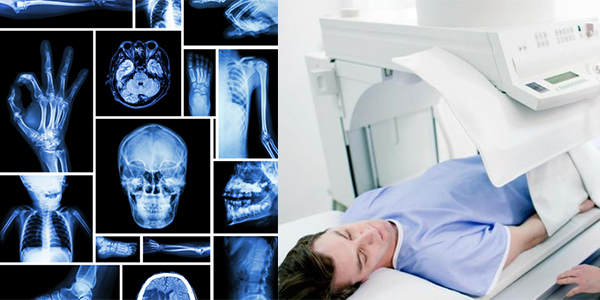 | Best X-RAY The X-Ray Technician Course at K P Paramedical Institute is a career-oriented paramedical program designed to prepare students for careers in... View product → |
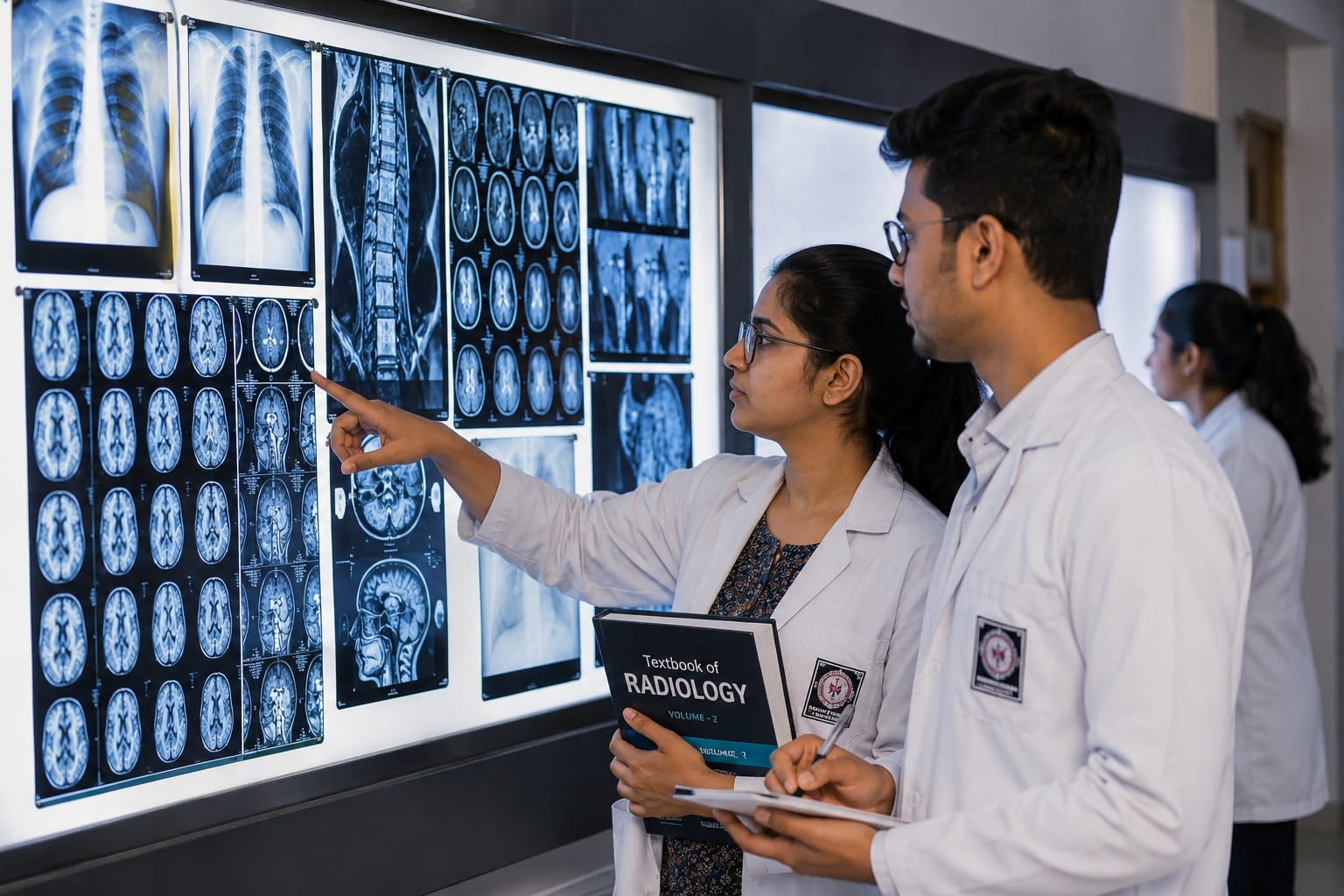 | Best DRIT The Diploma in Radiology & Imaging Technology (DRIT) at K P Paramedical Institute is a career-oriented paramedical program designed to prepare... View product → |
Frequently asked questions
When does an X-ray course in Pune justify its cost?
It justifies the cost when the total fees and living expenses buy dependable supervised clinical practice, patient-handling experience and evidence you can discuss in interviews.
Which qualification and entry requirements will employers recognise?
Check the exact certificate, diploma or degree title, awarding body, admission eligibility and whether local employers accept that qualification before paying a deposit.
What should you learn and practise before qualifying?
Look for supervised practice in patient positioning, radiation safety, equipment operation, image quality checks, patient communication and radiology department workflow.
What will an X-ray technician career in Pune look like after training?
Your prospects depend on the qualification employers accept, documented clinical experience, practical competence and the availability of entry-level imaging roles.
How can you verify a Pune institute before paying?
Request written details of the awarding body, affiliation, fee schedule, examination charges, clinical placement site, internship attendance and refund terms.