
Early reporting, long cases, changing theatre assignments and travel between Pune hospitals can turn a clinical rotation into a demanding test of organisation. By using a repeatable theatre workflow, clear limits on supervised tasks, a practical logbook and a fatigue plan, you can protect patient safety while keeping up with classroom revision.
Key takeaways
- Report early, review the operating list and complete hand hygiene before setup.
- Use a case-priority system without skipping counts, labels or infection-control checks.
- Build competence through supervised repetition, feedback and accurate procedure logs.
- Check hospital exposure, supervision, safety teaching and rotation hours before enrolling.
How students structure a full clinical-rotation day
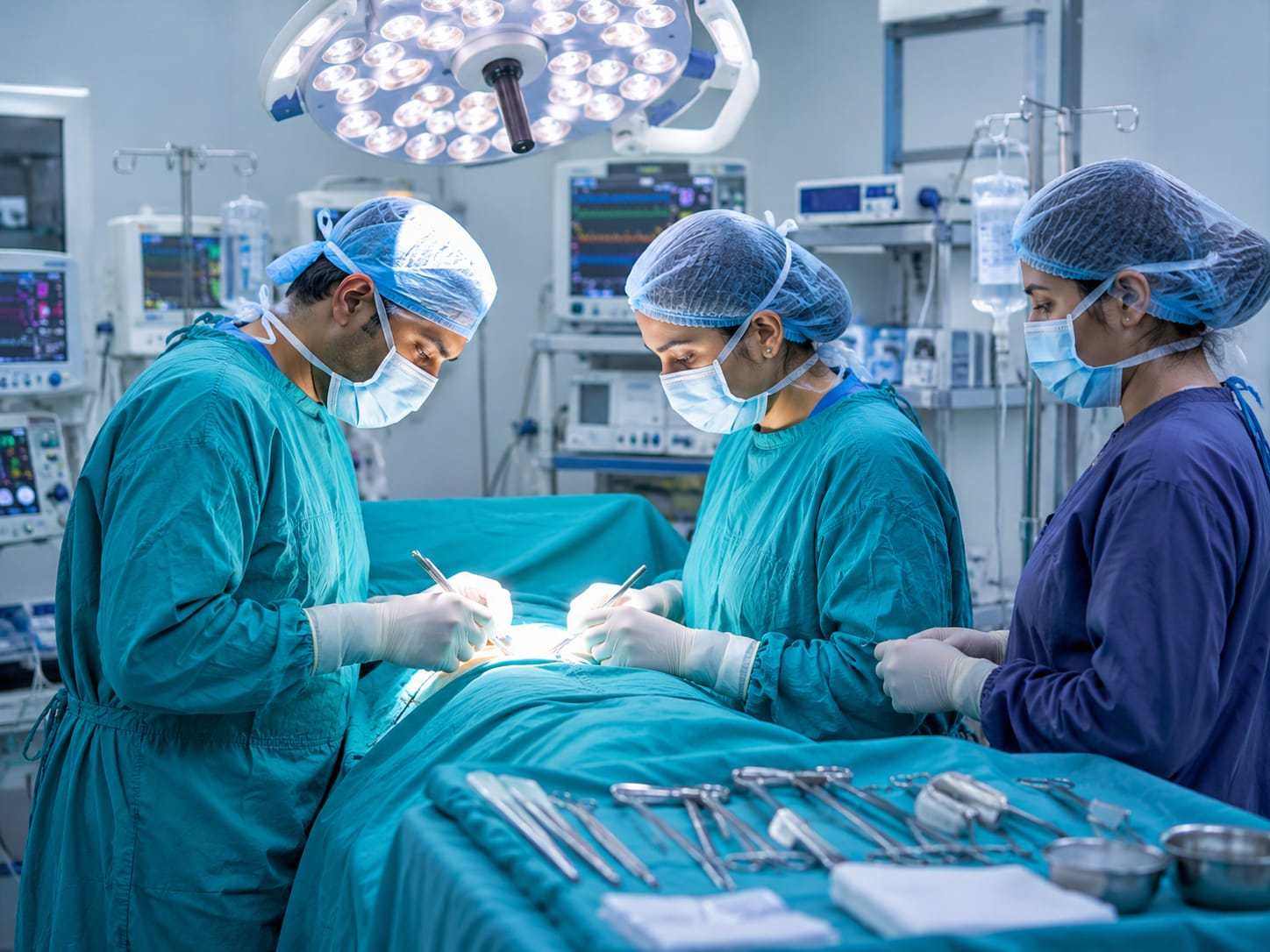
A realistic rotation day starts before the first patient arrives. Students check the operating list, report at the hospital’s required time, change into theatre attire, perform hand hygiene and help prepare instruments, sutures, consumables, equipment, counts and specimen labels. The work is active, not passive observation.
A workable day often follows this pattern:
- 5:30–6:30 a.m.: Wake, eat a portable breakfast, pack permitted theatre footwear and protective clothing, and leave enough time for Pune traffic and hospital transfers.
- Reporting time: Attend the briefing, confirm assigned theatres and specialties, and review the day’s cases before entering the sterile area.
- Between cases: Assist within your permitted scope, observe unfamiliar procedures, record instrument names and surgeon preferences, and complete turnover duties after the patient leaves.
- Meal break: Carry food and water rather than relying on a nearby shop; take the break when the supervisor releases you, not during an active case.
- Evening: Travel back, wash and rest before revising classroom notes, updating the logbook and preparing for the next list.
- Sleep: Protect a consistent sleep window after long shifts; report unsafe fatigue instead of treating exhaustion as commitment.
Travel time changes the workload as much as the timetable. A posting far from class can turn an eight-hour shift into a twelve-hour day, especially after an emergency case.
This is how OT technician students in Pune manage busy clinical rotations: they prepare transport, meals and study materials in advance, then keep revision short and specific.
The operating-theatre workflow from reporting time to turnover
Report early enough to check the operating list, theatre readiness and your assigned role before the patient arrives. Good operation theatre clinical training turns every case into a repeatable preparation, assistance and turnover routine.
1. Change into clean theatre attire, cap, mask and dedicated footwear. Perform hand hygiene, check the suction, diathermy, lights and monitors, and confirm instruments, sutures, consumables and emergency equipment against the procedure list.
2. Attend the briefing. Confirm the patient identity, procedure, site, allergies, positioning, antibiotic plan, required implants and specimen requirements. Never give consent, clinical information or medicines yourself; refer questions to the supervising nurse, technician or anaesthesia team.
3. Transfer the patient safely with the team, apply the required safety checks and protect lines, drains and pressure points. Before scrubbing, remove jewellery and inspect your nails; complete the surgical scrub, dry correctly, then gown and glove without touching non-sterile surfaces.
4. During surgery, pass or receive instruments only within your supervised role, keep sterile and non-sterile zones clear, and move carefully around the sterile field. Report contamination, a dropped item, equipment failure or uncertainty immediately rather than correcting it silently.
5. Complete initial, ongoing and closing counts with the designated staff, and verify specimen labels, container and destination before dispatch. Record your tasks, counts, specimens, equipment problems and supervisor feedback in the logbook.
After closure, help remove and segregate used instruments and waste, wipe equipment according to policy, restock consumables and prepare the room for the next case. Confirm handover before leaving; turnover is incomplete if the next team lacks a safe, ready theatre.
How to prioritise cases without losing safety controls
An emergency case changes the order, not the safety controls. Keep the elective case on a documented hold, inform the circulating nurse, and prepare the emergency theatre without abandoning counts, patient identification or specimen procedures. Overlapping theatres expose ot student challenges, so use a written handover rather than memory.
1. Check the revised list with the circulating nurse. Confirm the patient, procedure, side, position, surgeon and anaesthesia plan before collecting instruments. Do not move a case because a surgeon gives an informal instruction.
2. Prepare one case at a time using its preference card, then verify unusual instruments, implants, sutures, diathermy accessories and equipment with authorised staff. Surgeon preferences can change; update the setup only after repeating the instruction back.
3. During patient transfer, confirm identity and procedure against the records, lock the trolley, protect lines and drains, and maintain the ordered position. Report a missing consent, implant, side marking or equipment item before incision.
4. Assist with the initial, ongoing and closing counts of swabs, sharps and instruments according to hospital policy. If the numbers differ, stop and report the discrepancy immediately; never hide it or correct the record informally.
5. For every specimen, repeat the patient and specimen details, label the container at the point of collection, and match it to the form. Ask whether it requires formalin, a sterile container or immediate laboratory transport; never place it in a container by assumption.
Stay with the assigned theatre unless the supervisor gives a clear handover. Ask before performing any task outside your signed-off scope.
Building competence while managing fatigue and pressure
Competence grows when you label your role before touching anything. In operation-theatre clinical training, watching a procedure does not authorise you to perform it; your supervisor must define the task, demonstrate it and sign off repeated safe performance.
| Stage | What you do | Boundary |
|---|---|---|
| Observation | Watch the briefing, sterile setup, counts and workflow; ask questions at a suitable pause. | Do not touch sterile items or act on instructions you do not understand. |
| Supervised assistance | Open packs, arrange instruments, assist with counts, handle specimens or prepare equipment while the technician checks you. | Stop immediately if a label, count, instrument or sterile status is uncertain. |
| Permitted independent task | Perform a defined task already signed off in your logbook and allowed by local policy. | Never independently administer medicines, operate unfamiliar equipment, give patient information, obtain consent or decide whether a field remains sterile. |
Protect the sterile field by identifying sterile and non-sterile zones, keeping your hands in view and moving carefully around the field. If a glove, gown, drape or instrument becomes contaminated, say so immediately, stop and ask the circulating nurse or supervisor for the correction.
During an emergency, pressure does not expand your scope. Common OT student challenges are managed by:
- Confirming your assigned role before acting.
- Repeating unclear instructions.
- Reporting unsafe fatigue rather than hiding it.
- Recording the date, case, task, feedback and supervisor sign-off after the case.
This record shows progress more reliably than the number of procedures you watched.
What to check before choosing OT technician training in Pune
A placement is valuable only when you know what you will do, who will supervise you and how performance will be recorded. Ask how OT technician students in Pune manage busy clinical rotations across early reporting times, travel and changing case lists—not how many operations they have watched.
Check each point before enrolling:
| Check | Evidence to request | Warning sign |
|---|---|---|
| Specialty exposure | A rotation plan covering general surgery, orthopaedics, obstetrics, urology and emergency cases | One hospital or observation-only postings |
| Hands-on practice | Named tasks, such as sterile-pack opening, instrument arrangement, counts, specimen handling and equipment preparation, performed under supervision | “Hands-on exposure” with no task list |
| Competency sign-offs | A supervisor-signed skills record showing repeated assessment, not attendance alone | No signatures, assessor names or dates |
| Logbook format | Procedure or skill, date, role, supervisor comment and corrective action | A logbook that records only case titles |
| Duty pattern | Written timing for night, weekend and emergency duties, plus supervision arrangements | Unannounced shifts or unsupervised emergency work |
| Location and feedback | Hospital names, Pune-area locations, travel expectations and a formal feedback route | Vague affiliated-site claims |
Ask whether students rotate through multiple specialties and receive feedback after sterile-technique breaches, missed counts or incorrect specimen labels. A useful programme explains who reviews concerns and how quickly students can correct them.
When comparing OT technician training in Pune, ask K. P. Paramedical Institute for these placement documents rather than relying on course labels. The same questions reveal whether the timetable fits your travel, sleep and classroom commitments.
Related product
 | Best OT Technician The Operation Theatre (OT) Technician Course at K P Paramedical Institute is a career-focused paramedical program designed to train students in the... View product → |
Frequently asked questions
How do OT technician students structure a full clinical-rotation day?
They report at the required time, review the list, change into theatre attire, perform hand hygiene, prepare equipment and support cases through turnover.
What happens during the operating-theatre workflow?
The workflow runs from reporting and room preparation through patient support, instrument and consumable management, counts, specimen labelling and turnover.
How can students prioritise cases without losing safety controls?
Prioritise by procedure timing, urgency, room readiness and required equipment, but complete every count, label, hand-hygiene and communication check.
What should you check before choosing OT technician training in Pune?
Ask about hospital affiliations, supervised operation theatre clinical training, rotation hours, skills logs, infection-control teaching and feedback from clinical instructors.