An OT technician helps turn a surgical theatre into a safe, ready and traceable working environment before, during and after a procedure. By comparing the role, practical training, clinical exposure and admission evidence, you can judge whether an OT programme in Pune matches the work you want to perform and the responsibilities you are prepared to accept.
Key takeaways
- Check sterile-pack seals, expiry dates and equipment before each procedure.
- Choose training with supervised theatre practice, not classroom instruction alone.
- Verify faculty credentials, hospital tie-ups, placement terms and total course fees.
- Expect strict infection control, long standing hours and teamwork under pressure.
What an OT technician does across the surgical workflow
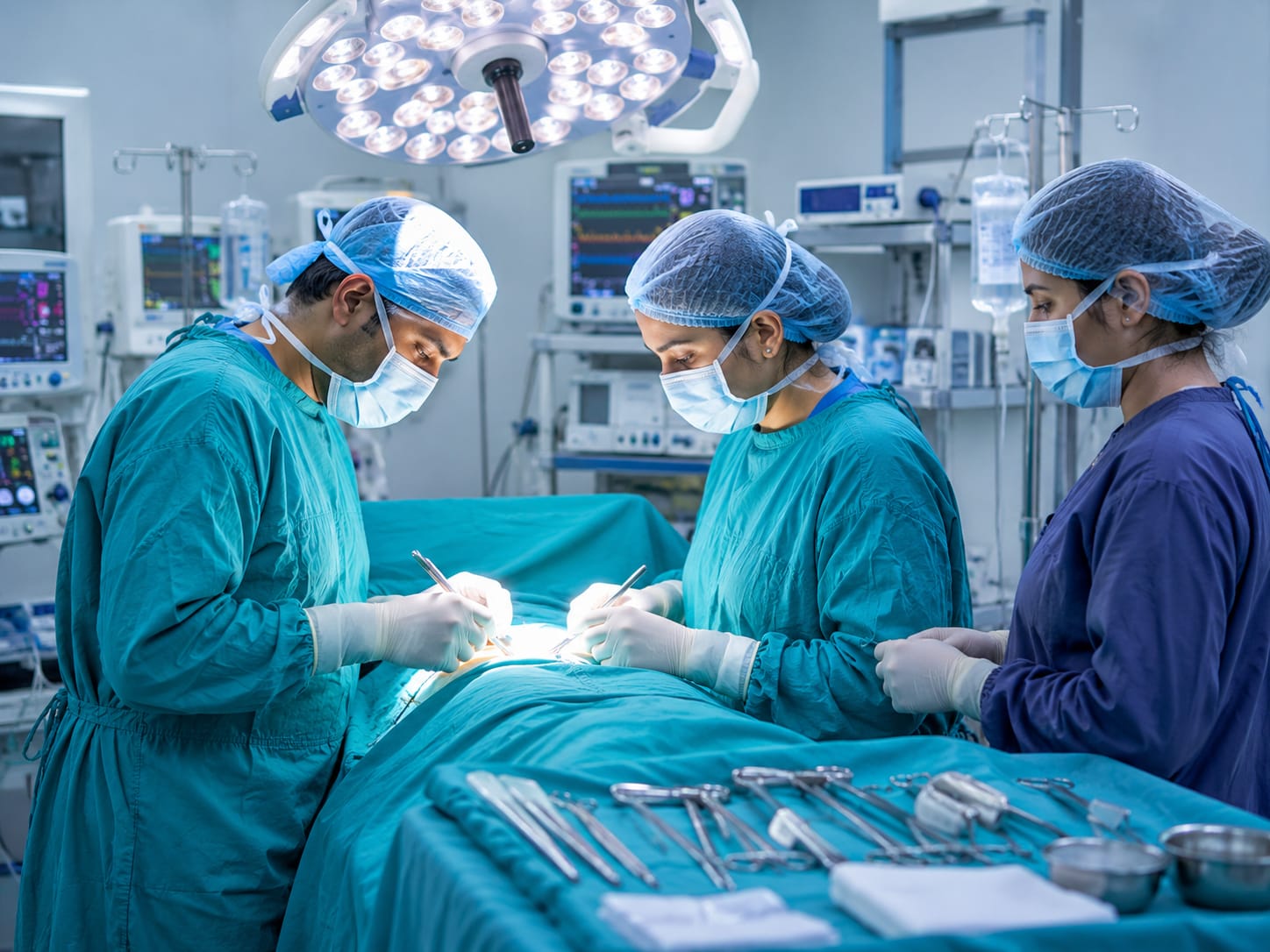
An OT technician supports the surgical workflow before, during and after an operation. Before surgery, you prepare the theatre, check sterile-pack seals and expiry dates, arrange instruments and consumables, test suction and electrosurgical equipment, and help position the patient under supervision.
During surgery, you protect the sterile field, pass or organise instruments as assigned, support surgical counts, manage specimens and respond to equipment needs. Afterward, you complete documentation, remove waste safely, send instruments for decontamination and sterilisation, and prepare the room for the next case.
Practical training should include:
- Surgical hand scrub, gowning, gloving and sterile-field maintenance
- Instrument identification, surgical counts and sharps disposal
- Specimen labelling, suction setup and electrosurgical-unit safety
- Hand hygiene, personal protective equipment, waste segregation and exposure response
- Post-operative cleaning, disinfection and theatre turnover
Students searching for ot technician for course benefits in pune should understand that this is a supervised support role, not independent clinical practice.
| Role | Main responsibility | What the OT technician does differently |
|---|---|---|
| OT technician | Theatre readiness, equipment, instruments, counts and turnover | Coordinates practical support across the workflow |
| Scrub nurse | Sterile assistance and instrument handling | Holds nursing responsibilities within the sterile team |
| Circulating nurse | Patient advocacy, documentation and non-sterile coordination | Performs broader registered-nursing duties |
| Anaesthesia technician | Anaesthesia equipment and airway-support preparation | Focuses on anaesthesia, not the whole theatre |
| Surgeon | Diagnosis and operative treatment | Makes surgical decisions and performs the operation |
The hands-on skills that create real workplace readiness
Knowing that “retractor” is an instrument name does not prepare you to receive a sterile pack, check its indicator, arrange instruments, or notice contamination before incision.
The operation theatre technician course benefits in Pune become real through repeated supervised practice: surgical hand scrub, gowning and gloving, sterile-field maintenance, suction setup, electrosurgical-unit safety, patient positioning, specimen labelling, surgical counts, sharps disposal and post-operative turnover.
Expect practice in tasks such as:
- Check packs, expiry dates, seals, equipment and consumables before the case.
- Open supplies without touching sterile surfaces and maintain the field during surgery.
- Count instruments, needles and swabs with the team, then report discrepancies immediately.
- Segregate waste, send used instruments for decontamination and complete theatre documentation.
- Check the emergency trolley, support safe transfer and positioning, recognise blood-loss concerns, and escalate to the anaesthesia or surgical team.
| Competency | Classroom terminology | Supervised practical training |
|---|---|---|
| Sterility | Names infection-control principles | Performs hand scrub, gowning, gloving and field maintenance |
| Equipment | Identifies suction and electrosurgical units | Sets up equipment and checks safety before use |
| Specimens | Memorises specimen terms | Labels, secures and routes specimens correctly |
| Emergencies | Describes resuscitation steps | Checks emergency equipment and practises escalation |
Ask an institute to show its skills laboratory, hospital placement, approximate clinical hours, observed procedures and supervisor qualifications. That evidence matters more than a long list of anatomy terms.
Why clinical exposure and safety knowledge matter
A hospital posting exposes you to the pace and consequences of theatre work that a classroom cannot reproduce. Under supervision, you learn how a case moves from room preparation to turnover, how teams communicate, and how a small count or labelling error can delay surgery.
Ask what cases and hours the placement includes; Pune’s hospital network is useful only when rotations are documented, not promised by a course title.
Sterile workflow practice makes safety observable rather than theoretical. You should repeatedly perform:
- Hand hygiene, surgical hand scrub, gowning and gloving without contaminating the field
- Sterile-pack checks, instrument handling, surgical counts and sharps disposal
- Personal protective equipment selection, waste segregation, surface disinfection and post-exposure reporting
This practice teaches you to stop and escalate when sterility or count integrity is compromised. Repetition builds reliable habits before you face blood and body-fluid exposure under time pressure.
Emergency preparation improves readiness without blurring your authority. Training should rehearse:
- Checking the emergency trolley and identifying airway and resuscitation equipment
- Supporting safe transfer and positioning while watching for pressure or airway risks
- Recognising blood-loss concerns and immediately escalating to the anaesthesia or surgical team
These are among the OT technician training advantages in Pune only when supervised clinical exposure backs them. Expect long standing periods, early or irregular shifts and strict punctuality; use placement experience to test whether the work suits you before enrolling.
Career benefits, work demands and realistic expectations
Training can improve entry-level employability because hospitals use OT technicians in general surgery, orthopaedics, obstetrics and gynaecology, ENT, ophthalmology, urology, day-care surgery and emergency theatres. It does not guarantee a job; exposure depends on the affiliated hospital.
Expect a supervised support role, not independent clinical authority. You will prepare rooms, check instruments and consumables, assist positioning and transfers, maintain counts, handle specimens, check equipment and document turnover under the surgical team’s direction.
Before enrolling, test these demands during clinical placement:
- Stand for long periods and report for early, late or rotating shifts. Fatigue and lateness can disrupt a case before incision.
- Assist with patient transfers while protecting lines, drains and pressure points. Poor positioning can cause injury.
- Work around blood, body fluids, sharps and urgent changes. Learn PPE, hand hygiene, waste segregation and exposure reporting; skipping one step creates infection or needlestick risk.
- Follow counts, labels, sterile-field boundaries and equipment checks without guessing. A discrepancy can delay closure or trigger a search.
- Communicate respectfully, accept correction and escalate airway, blood-loss or equipment concerns to the anaesthesia or surgical team.
For OT technician career training in Pune, ask to observe the actual hospital or skills laboratory, confirm clinical hours and identify the supervisor. Repeated practice matters more than terminology memorised in class.
How to verify an OT technician institute before admission
Before paying a fee, ask the institute for its current prospectus, affiliation or awarding-body details, eligibility rules, assessment method and certificate format. Confirm whether the qualification is accepted by hospitals you may approach; “advanced” or “international” in a course title proves nothing.
| Check | Evidence to request | Warning sign |
|---|---|---|
| Awarding body | Official name, approval or affiliation document, certificate sample | Staff cannot identify who awards it |
| Eligibility | Written rule, such as 10+2 with science subjects, if applicable | Verbal promises replace a prospectus |
| Practical training | Hospital or skills-lab name, approximate hours and supervisor details | Only classroom teaching or attendance certificates |
| Internship | Written duration, duties, assessment and completion record | “Placement” is promised without terms |
| Assessment | Practical examinations, competency log and feedback process | One final theory test covers everything |
Ask these questions before enrolling:
- Will I rotate through sterile and non-sterile duties, different surgical specialties, instrument handling, surgical counts and specimen labelling?
- How many supervised theatre hours will I complete, and who signs each competency?
- Will training cover hand hygiene, PPE, sharps safety, waste segregation, disinfection and post-exposure action?
- Which procedures may I observe or assist with, and what tasks remain outside a technician’s authority?
Ask K. P. Paramedical Institute to show the hospital or skills laboratory used for practice and the documents supporting its course structure, rather than relying on the course title. Compare those answers with two Pune providers using the same checklist. A shorter course is not better if it removes supervised practice or documented feedback.
Related product
 | Best OT Technician The Operation Theatre (OT) Technician Course at K P Paramedical Institute is a career-focused paramedical program designed to train students in the... View product → |
Frequently asked questions
What does an OT technician do during the surgical workflow?
An OT technician prepares the theatre, checks sterile packs and equipment, arranges instruments and consumables, assists with patient positioning under supervision, and supports theatre turnover after surgery.
Which hands-on skills should an OT technician course teach?
Look for practice in theatre preparation, sterile technique, instrument identification, suction and electrosurgical equipment checks, patient positioning support, waste segregation and post-procedure cleaning.
Why does clinical exposure matter for OT technician students?
Clinical exposure helps you apply infection-control procedures, maintain the sterile field, communicate with the surgical team and respond safely to equipment or workflow problems.
What should you verify before joining an OT technician institute in Pune?
Ask for the detailed syllabus, practical-training schedule, hospital or operation-theatre tie-ups, faculty qualifications, assessment method, total fees, refund terms and certificate details.