The better choice depends on whether you want focused training in projection radiography or broader preparation across medical imaging. By comparing the actual syllabus, equipment access, clinical hours, eligibility, recognition and progression options, you can judge which Pune course matches your intended job rather than relying on the course title.
Key takeaways
- Check whether the DRIT syllabus includes CT, MRI and supervised clinical practice.
- Choose X-ray training for focused projection radiography skills.
- Compare awarding body, recognition documents and hospital placement details.
- Ask for the complete syllabus before enrolling in Pune.
DRIT and X-Ray Technician Courses: What Does Each One Actually Teach?
A Diploma in Radiology and Imaging Technology (DRIT) is usually broader than an X-ray technician course, which focuses mainly on projection radiography. The name DRIT is not nationally uniform: one drit course in pune may include CT and MRI, while another may teach only basic X-ray work, so read the syllabus and clinical-training plan.
| Training area | DRIT | X-ray technician course |
|---|---|---|
| Core work | Patient care, anatomy, imaging physics, positioning, exposure factors and image quality | Patient positioning, exposure settings, anatomy, image processing and radiation protection |
| Modalities | May include computed radiography, digital radiography, mobile X-ray, fluoroscopy, CT, MRI or contrast studies | Usually fixed and mobile X-ray; fluoroscopy or CT requires written confirmation |
| Daily role | Prepare patients, check referrals, assist with multiple imaging procedures, review images and document examinations | Verify referrals, position patients, operate X-ray equipment, assess image quality and record procedures |
| Clinical scope | Broader preparation for imaging-department work under radiologist instructions and employer protocols | Narrower preparation for entry-level radiography duties |
Neither qualification makes you a radiologist. A radiologist is a medical doctor who interprets images and issues diagnostic reports; technologists acquire images and follow authorised protocols.
Before choosing between a drit vs x ray technician course in pune, ask whether the x ray technician course in pune provides supervised hospital practice and which machines students actually use. A longer course without documented clinical exposure can be weaker than a shorter course with substantial supervised practice.
Syllabus and Equipment: Which Imaging Modalities Will You Practise?
An X-ray technician course usually concentrates on projection radiography, while a DRIT course may add CT, MRI and contrast studies. The title alone proves nothing: compare the written syllabus, machines and supervised procedures.
| Option | Core subjects | Equipment and clinical exposure |
|---|---|---|
| X-ray Technician | Anatomy, positioning, exposure factors, image processing, radiation physics, protection, infection control and patient care | Computed radiography, digital radiography and mobile X-ray; supervised routine projections and image-quality checks |
| DRIT | All core radiography subjects plus introductory CT, MRI, contrast procedures, broader physics and patient-care topics | X-ray equipment plus CT or MRI only if a named clinical posting provides supervised examinations |
| Advanced-modality claim | CT protocols, MRI safety, contrast screening and emergency response | Confirm actual access to CT, MRI, fluoroscopy or ultrasound; classroom mention is not hands-on training |
Compare whether you will prepare patients, check referrals, select exposure settings, position accurately, operate the console, review images, document procedures and follow radiologist instructions. A course that teaches CT terminology but offers no supervised CT posting has not given you CT practice.
Before choosing among medical imaging courses in Pune, request:
- The machine list, including CR, DR, mobile X-ray, fluoroscopy, CT and MRI models
- The named hospital, posting duration and number of students per machine
- The qualified technologist supervising each procedure
- A signed attendance and procedure log showing examinations you observed or performed
Use this checklist in any radiology course comparison in Pune, including a DRIT course in Pune. Ask the institute which procedures students actually complete, not merely which modalities appear in its brochure.
Admission, Course Structure and Progression: What Will the Training Require?
Eligibility is not standardised across the DRIT vs X ray technician course in Pune. Many institutes require 10+2 Science with Physics and Chemistry, sometimes Biology, while vocational providers may accept other qualifications. Read the awarding body’s written rule; do not rely on an agent’s assurance.
| Option | Admission and duration | Practical training | Assessment, attendance and progression |
|---|---|---|---|
| DRIT | Often a longer diploma, but duration varies by institute and affiliation | Broader clinical exposure may include radiography plus introductory CT, MRI or contrast work; confirm logged, supervised hours | Theory papers, practical examinations, case records and attendance requirements; may support progression to related advanced study if the qualification is recognised |
| X-ray technician course | Often shorter and narrower, though no fixed duration applies | Concentrates on patient positioning, exposure selection, image quality, equipment operation, infection control and radiation protection | Practical demonstrations, written tests, attendance and clinical records; progression depends on the awarding body and employer acceptance |
A longer course is not automatically better. A short x ray technician course in Pune with regular hospital shifts can outperform a DRIT course that offers little supervised practice. Ask for the weekly clinical timetable, minimum attendance percentage, internal assessment pattern, final examination authority and written progression route before paying.
For either route, verify whether attendance is tracked separately for classroom and clinical work. Then ask employers whether they accept the exact certificate or diploma for radiographer vacancies; “DRIT” alone does not guarantee eligibility for every imaging post.
Later options can include a higher diploma, bachelor’s degree or specialised imaging training, but only when the institution and qualification permit that progression.
Recognition and Clinical Placement: Will Employers Accept the Qualification?
A certificate bearing “DRIT” does not prove one standard qualification. The acronym can describe courses with different durations, syllabi, awarding authorities and clinical requirements, so verify the exact certificate or diploma name before enrolling.
For a useful radiology course comparison in Pune, request these documents in writing:
- The awarding body, examination authority, course level and sample final certificate
- The institute’s current affiliation letter, including its validity period and the exact course name
- The named hospital or diagnostic centre, posting dates, department and minimum clinical hours
- The supervisor’s designation and who signs your logbook, attendance and competency records
- The radiation-safety teaching plan, including radiation physics, protection principles, personal dosimeter use and safe operation under authorised supervision
- Written confirmation from two hospitals that recruit radiographers or imaging technicians, stating whether they accept this exact qualification for vacancies
Do not treat an institute’s registration, ISO certificate or marketing accreditation as recognition of the qualification. Ask the hospital whether students operate equipment or only observe, and whether the posting includes documented image acquisition, patient preparation and quality checks.
This verification matters across medical imaging courses in Pune: a longer diploma with no accountable hospital placement can carry less employment value than a shorter course with recorded, supervised training.
Also confirm the role you can legally and practically seek; neither DRIT nor an X-ray technician certificate makes you a radiologist or authorises independent diagnostic reporting.
Which Is Better for You: DRIT or an X-Ray Technician Course?
Choose an X-ray technician course for a defined entry-level radiography job; choose DRIT when you want broader imaging exposure and can verify that the extra subjects include real clinical practice. The drit vs x ray technician course in pune decision depends on job access, not the course title alone.
| Option | Best fit | Check before choosing |
|---|---|---|
| X-ray technician course | Limited budget or focused projection-radiography work | Positioning, exposure factors, image quality, radiation protection and supervised practice |
| DRIT | Broader imaging ambitions, including introductory CT or MRI | The exact modalities, equipment access, clinical hours and awarding body |
| Either route | A first radiography job | Whether local employers accept the exact qualification |
A x ray technician course in pune may cost less because its scope is narrower, but compare the full fee, examination charges, travel and clinical-placement costs. A DRIT course in Pune is not automatically better: weak X-ray fundamentals or little patient contact will hurt your employability.
Before paying K. P. Paramedical Institute or any other Pune provider, ask:
- Which organisation awards and affiliates the qualification, and what exact certificate appears on it?
- Will named hospitals or diagnostic centres accept it for their current radiographer vacancies?
- How many supervised hours cover positioning, mobile X-ray, computed or digital radiography and radiation safety?
- Do students operate CT or MRI systems, or only observe them?
- What are the written eligibility rules, total fees and refund terms?
Confirm every answer in writing. Also remember that neither route makes you a radiologist; you acquire images under the department’s protocols, while a radiologist interprets them and issues reports.
Related products
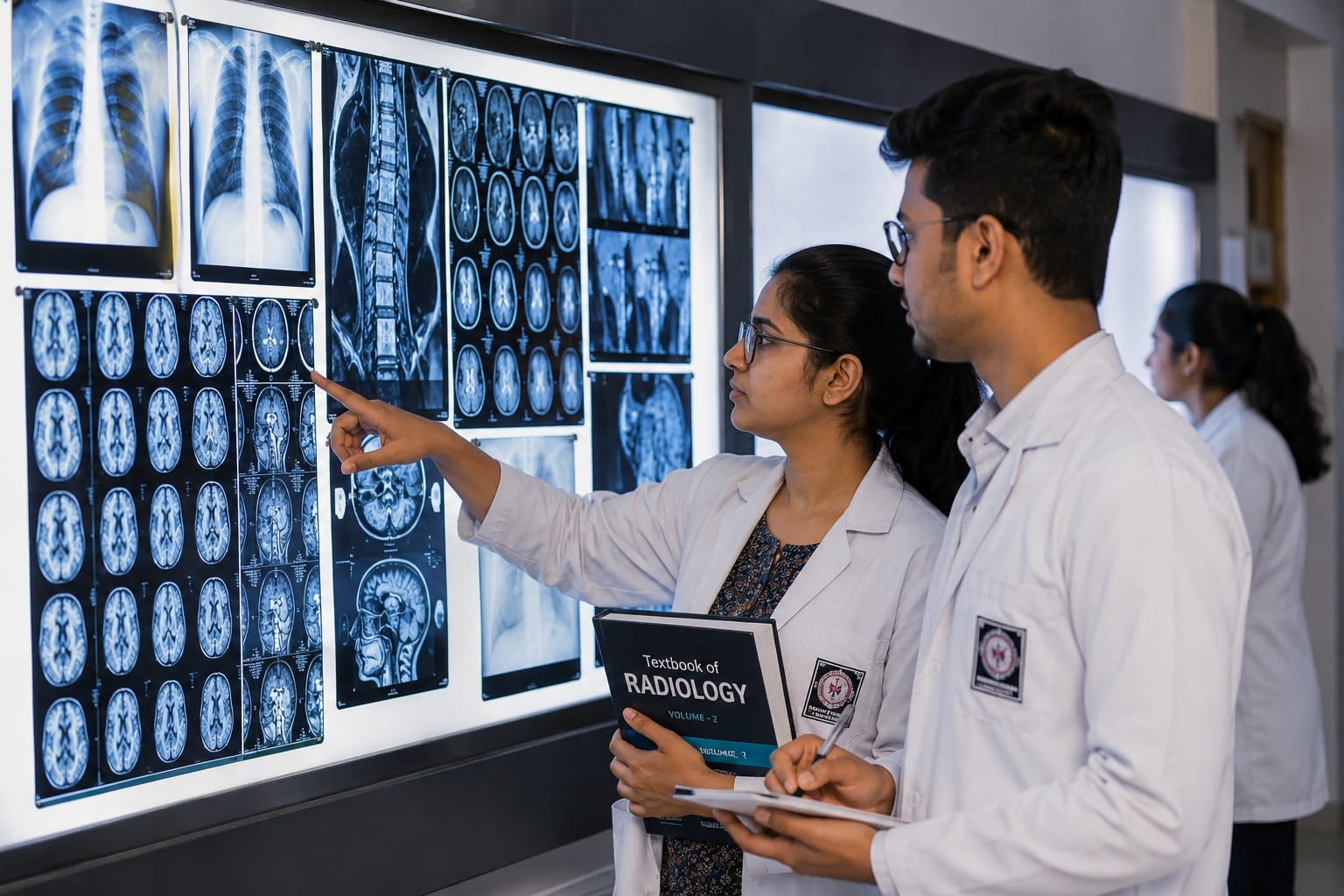 | Best DRIT The Diploma in Radiology & Imaging Technology (DRIT) at K P Paramedical Institute is a career-oriented paramedical program designed to prepare... View product → |
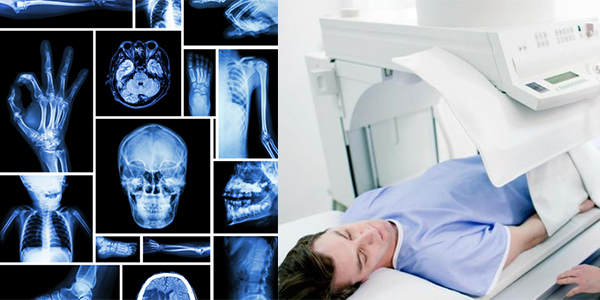 | Best X-RAY The X-Ray Technician Course at K P Paramedical Institute is a career-oriented paramedical program designed to prepare students for careers in... View product → |
Frequently asked questions
What is the main difference between DRIT and an X-ray technician course?
DRIT is usually broader and may cover X-ray, CT and MRI, while an X-ray technician course focuses mainly on projection radiography. Compare the actual syllabus because course names are not nationally uniform.
Which imaging equipment should you compare before choosing a course?
Check whether you will practise with projection X-ray equipment and whether the course includes CT, MRI or other imaging modalities. Confirm which equipment is available for hands-on training.
What should you check about admission and course progression?
Compare eligibility, course duration, assessment method, practical hours and progression options. Ask for these details in writing rather than relying on the course title.
How can you check whether a radiology qualification will be accepted by employers?
Ask for the awarding body's name, recognition documents, certificate format and clinical-placement details. Confirm where placements occur, what duties students perform and whether employers recognise that qualification.