Satara
08048070542

O.T.TECHNICIAN

O.T.TECHNICIAN

O.T.TECHNICIAN

In stockcod not available
Phone Number

08048070542

Please keep 0 before dialling the number.

Email Address kpparamedical@gmail.com

Mon-Thu: 10 AM - 2 PM • Fri: 3 PM - 7AM

Address Satara,Satara,Satara,Satara

Satara, India, 0

Description

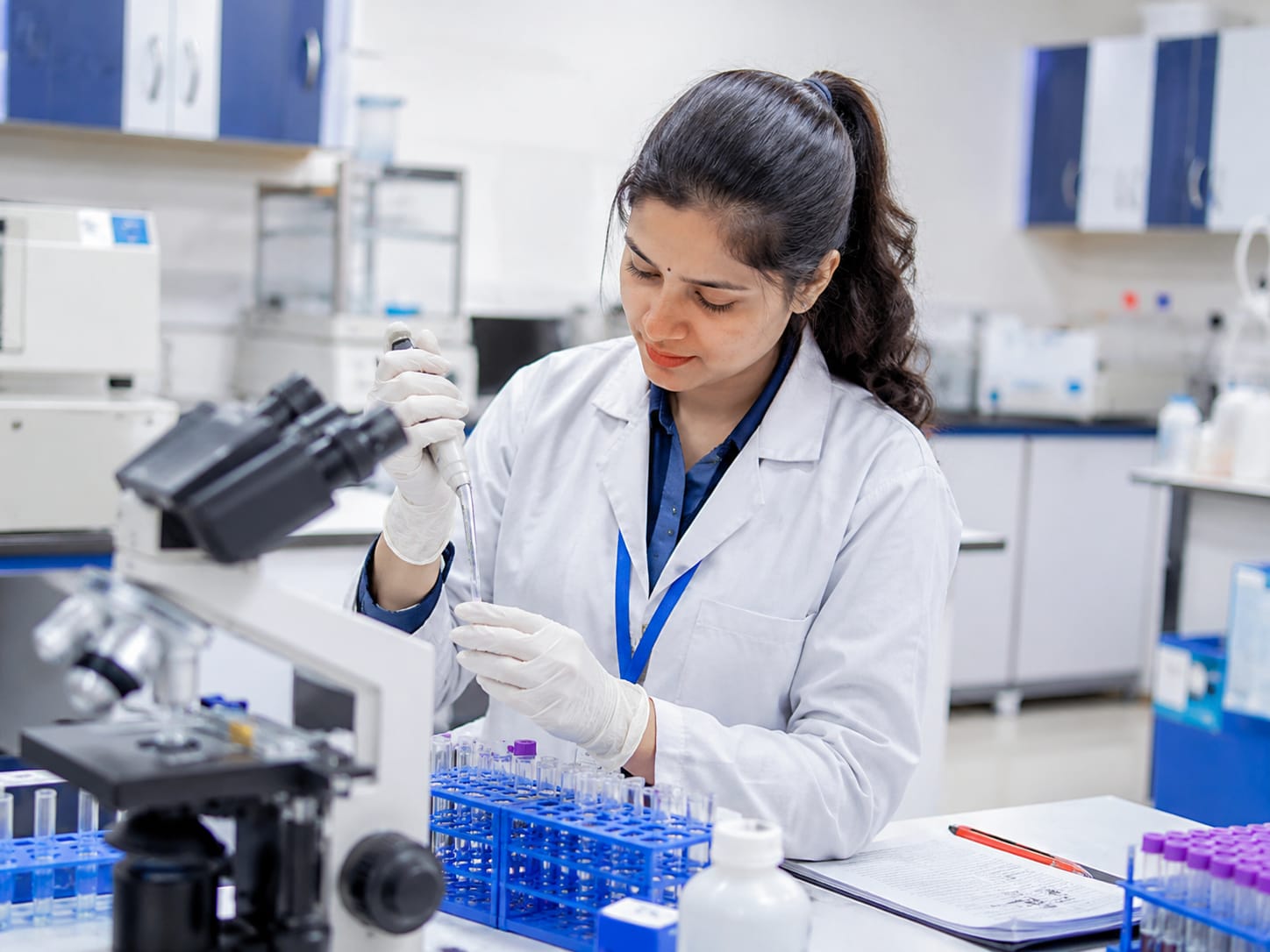
Operation Theatre Technicians are allied healthcare professionals. Their tasks include assisting Doctors in Surgery, arranging surgical instruments before surgery, sterilizing instrumentation before surgery, cleaning surgical instruments after surgery, carrying out Surgeons’ commands during surgery and taking care of anesthesia equipment. In short, OT Technicians work at Operation Theatre of hospitals, Intensive Care Units as well as Emergency Departments. Their main task is to assist Doctors and Surgeons during surgery or emergency procedures.

Keywords

Other Products

view all

Card 2

product image
Sanitary Inspector

A Sanitary Inspector course prepares individuals for careers focused on public health and sanitation. These courses, available as diplomas or certificates, equip students with the knowledge and skills to manage hygiene, sanitation, and waste management in various settings, including urban and rural areas. The curriculum typically covers topics like environmental health, public health regulations, and disease prevention. Course Details: Diploma in Sanitary Inspector: This program is designed to provide technical and practical training in health and sanitation, addressing issues related to environmental conditions and family welfare. Advanced Diploma in Sanitary Health Inspector: This specialized course, offered by some universities, focuses on developing in-depth technical knowledge in public health and sanitation. Certificate in Health and Sanitary Inspector: This certificate program aims to create professionals who can maintain hygiene and cleanliness in public places like hospitals, schools, and restaurants. Key Areas Covered: Environmental Health: Understanding factors affecting public health in the environment. Waste Management: Learning about proper methods for collecting, transporting, and disposing of waste. Public Health Regulations: Gaining knowledge of laws and guidelines related to public health and sanitation. Epidemiology: Studying the patterns and causes of diseases to prevent their spread. Food Hygiene: Ensuring food safety and preventing foodborne illnesses. Career Opportunities: Sanitary Inspectors find employment in various sectors, including: Municipal Bodies: Working for local governments to manage sanitation in public spaces. District Councils: Contributing to sanitation efforts within specific geographic areas. Railways: Ensuring hygiene and sanitation on trains and at railway stations. Five-Star Hotels: Maintaining high standards of hygiene and sanitation in hospitality settings. Food and Drugs Administration: Inspecting food establishments to ensure safety and quality. Airports: Managing sanitation and hygiene in airport facilities. Hospitals: Ensuring a clean and safe environment for patients and staff. Schools: Maintaining hygiene standards in educational institutions. Restaurants: Ensuring food safety and hygiene in dining establishments.

Card 2

product image
X-RAY

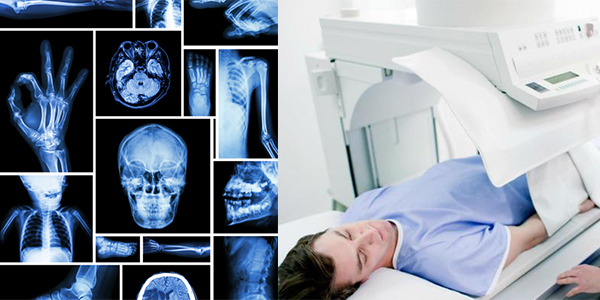
Diploma programs in x-ray technology are often combined with medical assisting programs. Students take courses that cover x-ray procedures, clerical tasks and basic lab work. The program includes a combination of classroom lectures, labs and clinical experiences. Some schools offer a portion of the coursework online. The curriculum often includes several opportunities for hands-on training. Common course topics include: X-ray positioning techniques Patient care procedures Anatomy and physiology Radiation protection Image production Radiographic procedures

Card 2

product image
ECG

An ECG technician, also called as cardio graphic technician, uses electrocardiogram machines to run diagnostic tests to measure a patient’s heart rate, monitor cardiac rhythm. Electrocardiogram Technicians monitor and test a patient’s cardiovascular performance using ECG equipment. By attaching electrodes to a patient’s body and recording the electrical impulses transmitted by a patient’s heart with an ECG the technician provides the data to the patient’s physician for later analysis.