
A meaningful dialysis programme must combine renal science, machine procedures, infection control, emergency response and supervised work with patients. By the end, you will know which syllabus topics, clinical hours, admission conditions and provider checks to confirm before paying a fee.
Key takeaways
- Confirm kidney physiology, dialysis principles and machine-operation subjects.
- Check that training includes cannulation, machine setup, monitoring and documentation.
- Ask how infection control and dialysis emergencies are practised and assessed.
- Verify clinical placement hours, assessment methods and admission requirements before enrolling.
Which subjects belong in a dialysis course syllabus?
Before handling a dialysis session, students need theory that explains what the kidneys do, why treatment is prescribed, and how errors harm patients. A complete dialysis course syllabus in Baramati should cover:
- Renal anatomy and physiology, acute kidney disease, chronic kidney disease, and indications or contraindications for haemodialysis.
- Diffusion, osmosis, ultrafiltration, dialyser types, extracorporeal blood circulation, bloodlines, anticoagulation, dialysate composition, and treatment prescriptions.
- Vascular access through arteriovenous fistulas, grafts, and central venous catheters. Assessment must identify infection, poor flow, and needle or catheter dislodgement risks. Blood pressure measurement or venepuncture on an access arm requires clinical-team authorisation.
- Pre- and post-dialysis documentation, including weight, vital signs, access findings, blood-flow rate, ultrafiltration, anticoagulant dose, alarms, adverse events, and treatment completion.
The dialysis technician course details should also define professional boundaries clearly.
| Role | Main responsibility | Not independently authorised to do |
|---|---|---|
| Dialysis technician | Prepare equipment, monitor treatment, record findings, and escalate problems under supervision | Diagnose kidney disease, prescribe or alter dialysis, insert central lines, or manage emergencies alone |
| Nurse | Assess patients, administer care, and respond to complications | Replace the nephrologist’s medical decisions |
| Nephrologist | Diagnose, prescribe, and direct renal treatment | Delegate unrestricted authority to a technician |
| Medical laboratory technologist | Perform and report laboratory testing | Run dialysis treatment |
| Renal-dialysis-technology graduate | Apply broader technical training within employer scope | Work outside hospital policy or supervision requirements |
What practical procedures should dialysis training teach?
A complete treatment cycle in dialysis training in Baramati should be practised on functioning patient-care equipment, not only explained beside a demonstration model. Students should perform each step under supervision and record what they find.
1. Identify the patient using two identifiers, check the prescription, record pre-dialysis weight and vital signs, inspect the fistula, graft or catheter, and confirm access restrictions.
2. Prepare the station by checking supplies, PPE, electrical safety, machine disinfection status and preventive-maintenance records. Test the machine, prime the extracorporeal bloodline, confirm conductivity and dialysate temperature, and verify blood-flow, ultrafiltration and anticoagulant settings before connection.
3. Under authorised supervision, connect the patient, check anticoagulant administration, observe pressures, alarms, access condition and symptoms, and document blood flow, ultrafiltration rate, vital signs, treatment times and adverse events. Incomplete records can create risk even when the circuit appears to run correctly.
4. Respond to alarms according to unit protocol, escalating abnormal pressures, blood leaks, air detection, clotting or patient deterioration to the nurse or nephrologist. Terminate treatment safely, disconnect the patient, apply access-site care, record post-dialysis weight and vital signs, and dispose of blood-contaminated material in designated containers.
5. Learn water-treatment basics: pretreatment, reverse osmosis, disinfection, storage, distribution, endotoxin control and dialysate-quality testing. Students must recognise out-of-limit results and escalate them before using the system.
6. Practical dialysis technician course details should include machine disinfection, station cleaning, stock checks, consumable tracking, spill response and pre-connection safety checks.
How are infection control and dialysis emergencies taught?
A student must demonstrate infection control at every indicated point, not merely recite precautions in class. Training in dialysis training in Baramati should require the student to:
- Perform hand hygiene before and after patient contact and after glove removal.
- Select gloves, gowns, masks and eye protection for the task.
- Use aseptic technique during connection and disconnection.
- Apply hepatitis B, hepatitis C, HIV and other blood-borne infection controls.
- Keep clean supplies separate from contaminated supplies.
- Manage blood spills, disinfect surfaces and dispose of sharps safely.
- Report a needle-stick immediately and follow the unit’s post-exposure procedure.
- Follow isolation practices and understand hepatitis B vaccination arrangements.
Emergency drills should use the machine and patient-care workflow, with the student recognising the problem, protecting the patient and calling the nurse or nephrologist without delay. The dialysis course syllabus in Baramati should cover responses to:
- Intradialytic hypotension, muscle cramps, nausea or vomiting, and chest pain.
- Fever or suspected bloodstream infection.
- Circuit clotting, blood-leak alarms and air alarms.
- Haemolysis, air embolism and disequilibrium syndrome.
- Needle dislodgement.
The technician follows the unit protocol and stops or adjusts treatment only within authorised instructions. A certificate does not authorise independent diagnosis, prescribing, or management of a deteriorating patient. Training should also rehearse needle-stick reporting, post-exposure care and safe handling of blood and disinfectants.
What course structure, clinical placement and assessment should you confirm?
Before paying, compare dialysis course details in Baramati using written documents, not brochure claims. Ask for these records:
1. The exact award name—certificate, diploma or undergraduate qualification—plus the issuing and examining authority, course duration, teaching language, timetable and theory-to-practical balance. Request the dialysis course syllabus in Baramati and a sample certificate.
2. The examination pattern, internal assessment method and attendance requirement. Confirm whether clinical attendance is mandatory, whether absence affects eligibility, and whether the placement is guaranteed or merely described as an “opportunity.”
3. The clinical site’s hospital or dialysis-unit name, travel time from Baramati, number of supervised sessions, logbook format, real-patient exposure and student-to-machine ratio. Record the names and qualifications of supervisors.
4. The tasks recorded in the logbook: machine checks, treatment observations, infection-control tasks, emergency drills, documentation practice, pre- and post-dialysis observations, alarms and cleaning records. Classroom hours alone do not prove clinical readiness.
5. Recognition of the training centre, affiliation of the qualification and employer eligibility as three separate checks. Verify each directly with the named authority; a centre’s recognition does not automatically validate its certificate or make you eligible for employment.
If comparing K. P. Paramedical Institute, request its current written syllabus, practical calendar, clinical-placement terms and certificate details before admission. Compare those documents with the authority’s records, not with the institute’s course title alone.
Related product
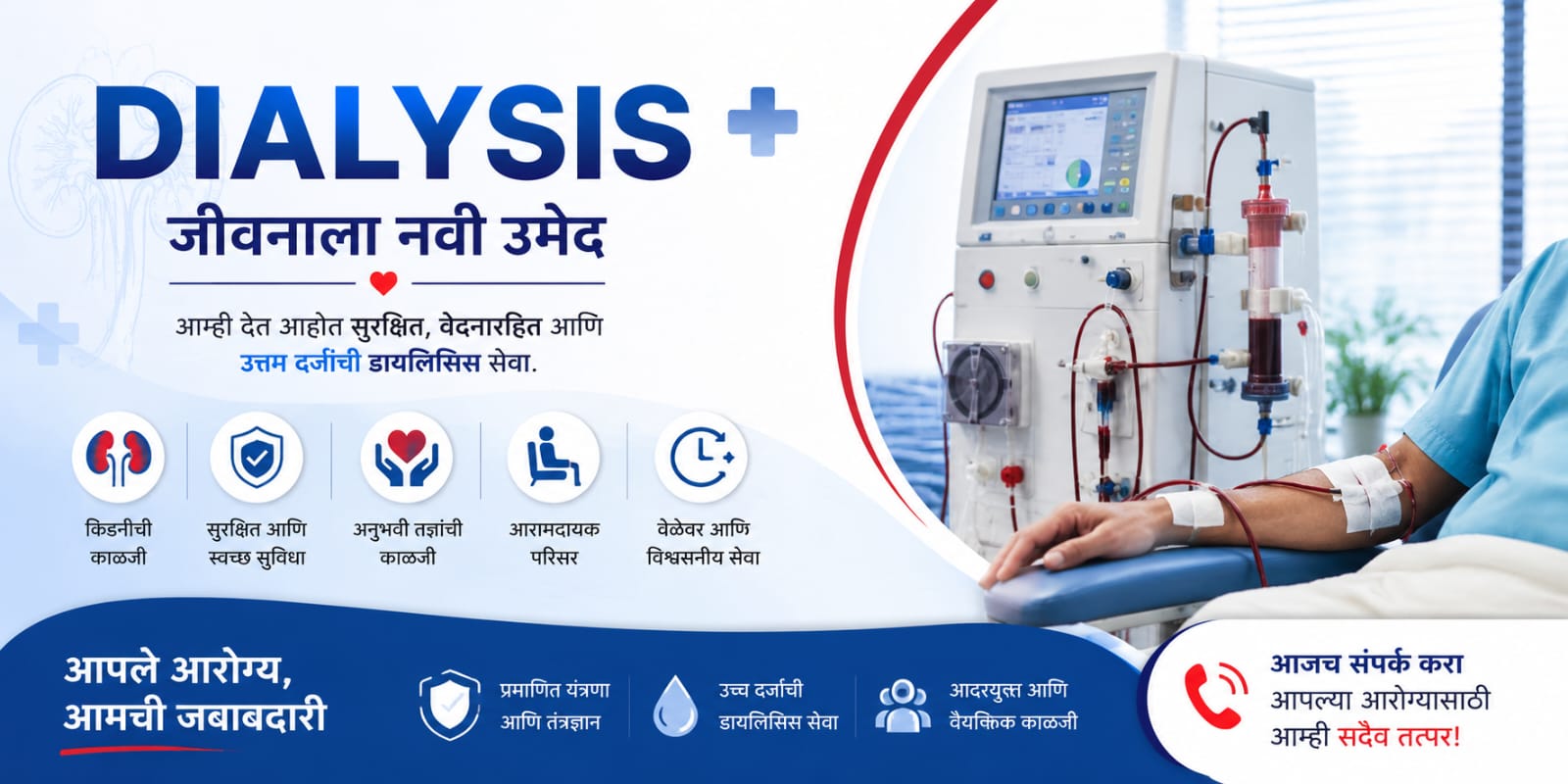 | Best Dialysis The Dialysis Technician Course at K P Paramedical Institute is a career-oriented paramedical program designed to train students in the operation and... View product → |
What are the admission requirements and fit for the work?
Do not treat “admission open” as proof that a course is recognised or employable. For dialysis course admission in Baramati, read the current prospectus and confirm the exact award, issuing body, affiliation, duration, clinical rotation and examination system.
Ask the institute to state these points in writing:
- Accepted school qualification, required subjects, minimum marks, age rule, entrance test or merit selection, intake date and application steps.
- Aadhaar or other identity proof, photographs, mark sheets, transfer certificate, caste certificate where applicable, total fee, examination charges, payment schedule and refund policy.
- Hospital or dialysis-unit name, supervised clinical hours, attendance enforcement, functioning machines, faculty experience, infection-control facilities and logbook requirements.
- Placement records, employers hiring graduates, whether prior clinical experience is required and whether placement is guaranteed. Request figures and names, not a job promise.
| Programme type | Eligibility to verify | Main comparison point |
|---|---|---|
| Certificate or entry-level course | Often 10+2; confirm science subjects, marks and age rule | Shorter training does not automatically provide degree-level eligibility |
| Diploma course | 10+2 and specified science subjects may apply | Check affiliation, clinical exposure and examination authority |
| Degree-level renal-dialysis programme | Commonly 10+2 Science with Physics, Chemistry and Biology | Confirm recognition, duration and registration or employment eligibility |
The work suits you only if you accept prolonged standing, punctual shifts, blood, disinfectants, needles, repetitive cleaning, detailed documentation and emotionally difficult patient care. Refusing PPE, sharps procedures or emergency escalation is a poor fit. Use the written syllabus, practical schedule and sample certificate when comparing dialysis course details in Baramati.
Frequently asked questions
Which subjects belong in a dialysis course syllabus?
Look for kidney anatomy and physiology, renal failure, indications for dialysis, haemodialysis principles, equipment, water treatment, patient monitoring, documentation, infection control and professional conduct.
What practical procedures should dialysis training teach?
Training should cover preparing the dialysis machine and treatment area, checking supplies, connecting the extracorporeal circuit, monitoring vital signs, recognising access problems, ending treatment and recording the session under supervision.
How are infection control and dialysis emergencies taught?
Confirm that the course demonstrates hand hygiene, personal protective equipment, disinfection, sharps safety and safe waste handling. Emergency teaching should address hypotension, cramps, bleeding, air embolism, chest pain and machine alarms through drills or supervised response practice.
What course structure, clinical placement and assessment should you confirm?
Ask for the theory-to-practical structure, laboratory practice, clinical placement setting and supervision arrangements. Confirm whether assessment includes written exams, practical demonstrations, logbooks, case discussions and placement performance.
What are the admission requirements and fit for the work?
Check the required education level, documents, age or medical fitness conditions and any selection process. The work suits students who can follow precise protocols, maintain infection-control discipline, communicate with patients and remain calm during emergencies.